The hill that emperors built for Beijing’s best view 🇨🇳
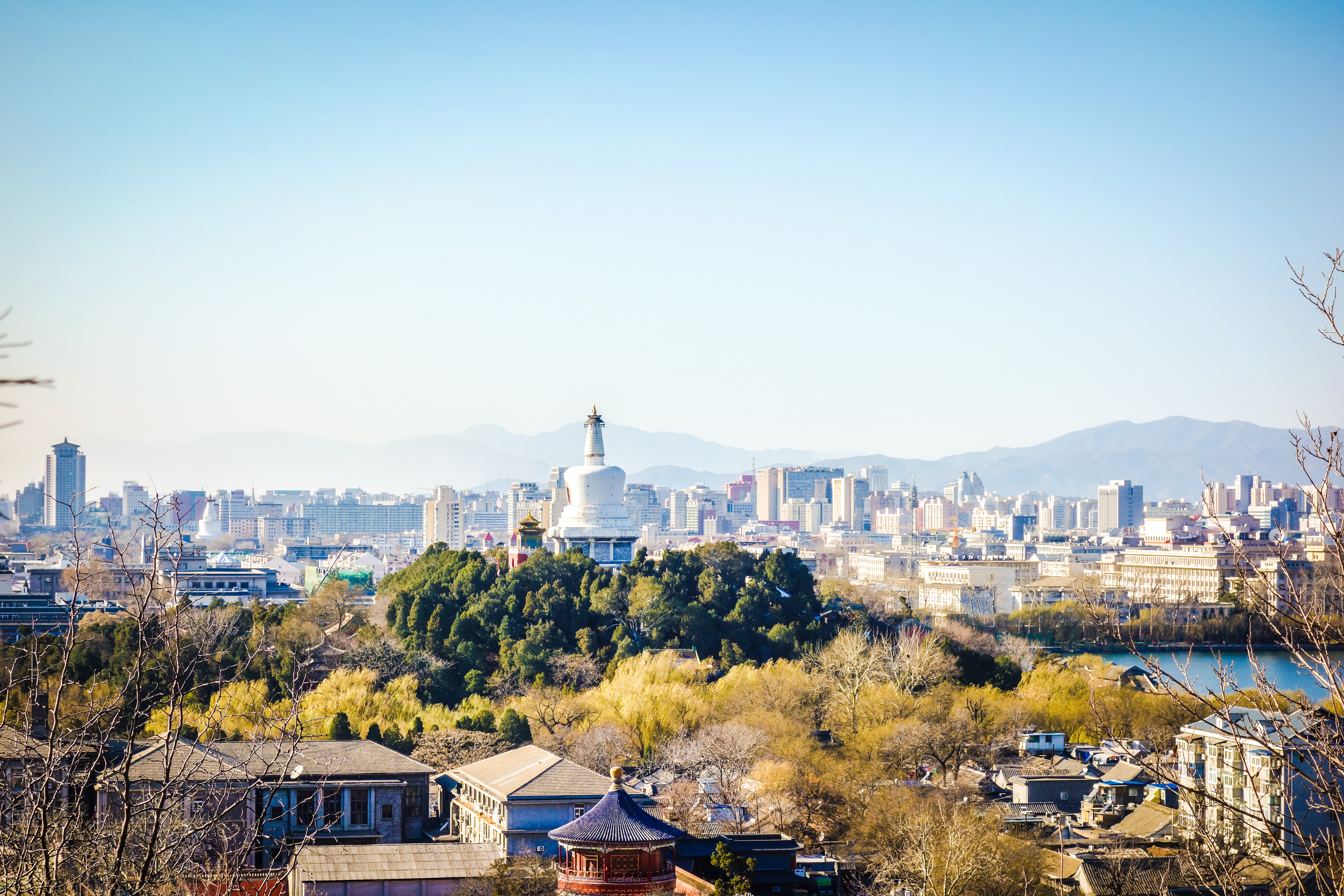
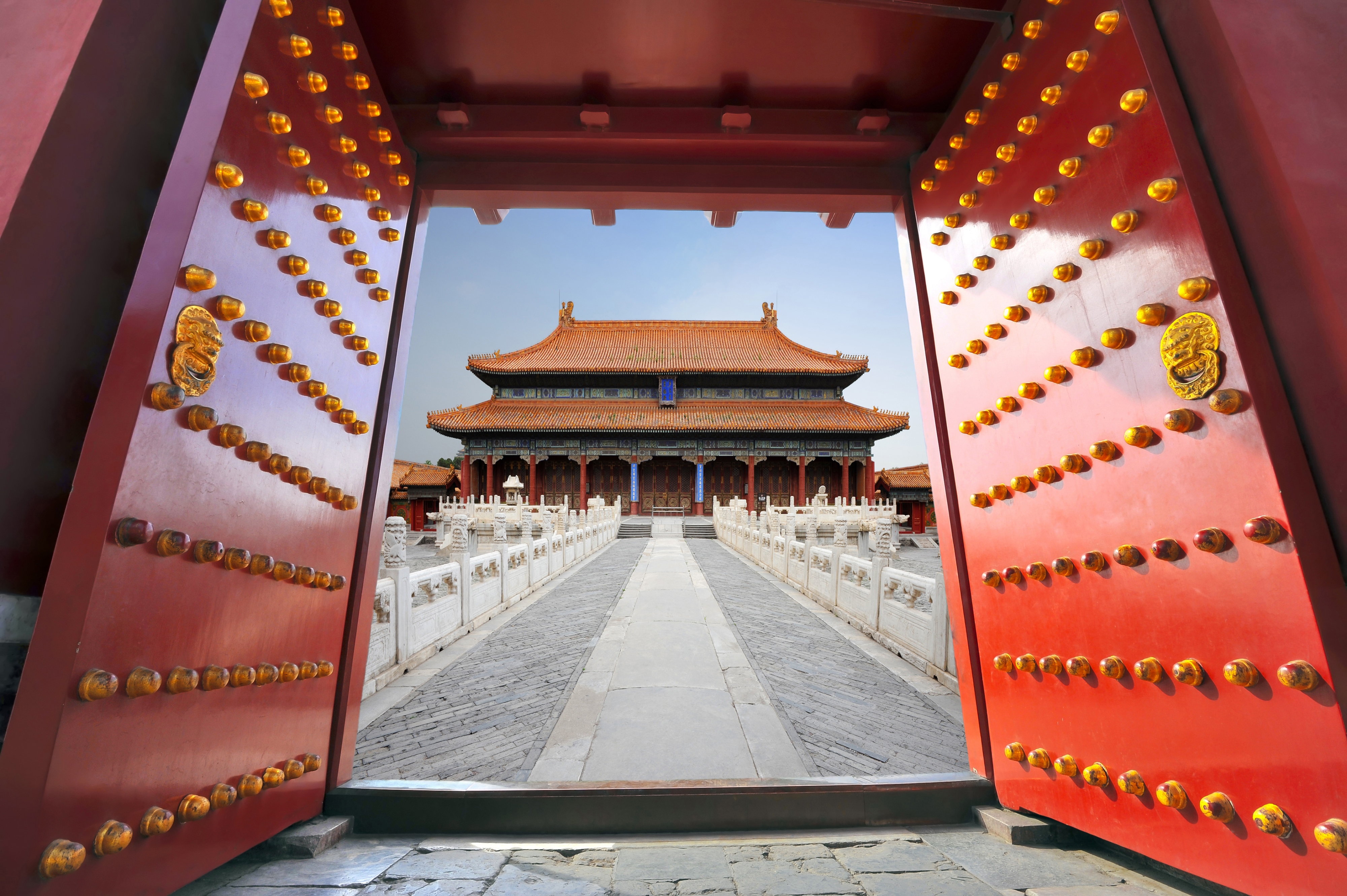
Jingshan Park is a historic public park in the heart of Beijing, famous for its iconic artificial hill and sweeping city views. Once an exclusive imperial garden for the Ming and Qing dynasties, it opened to the public in 1928. Today it’s beloved by locals and visitors alike as the best vantage point to admire the Forbidden City’s sea of golden roofs, especially at sunrise or sunset.
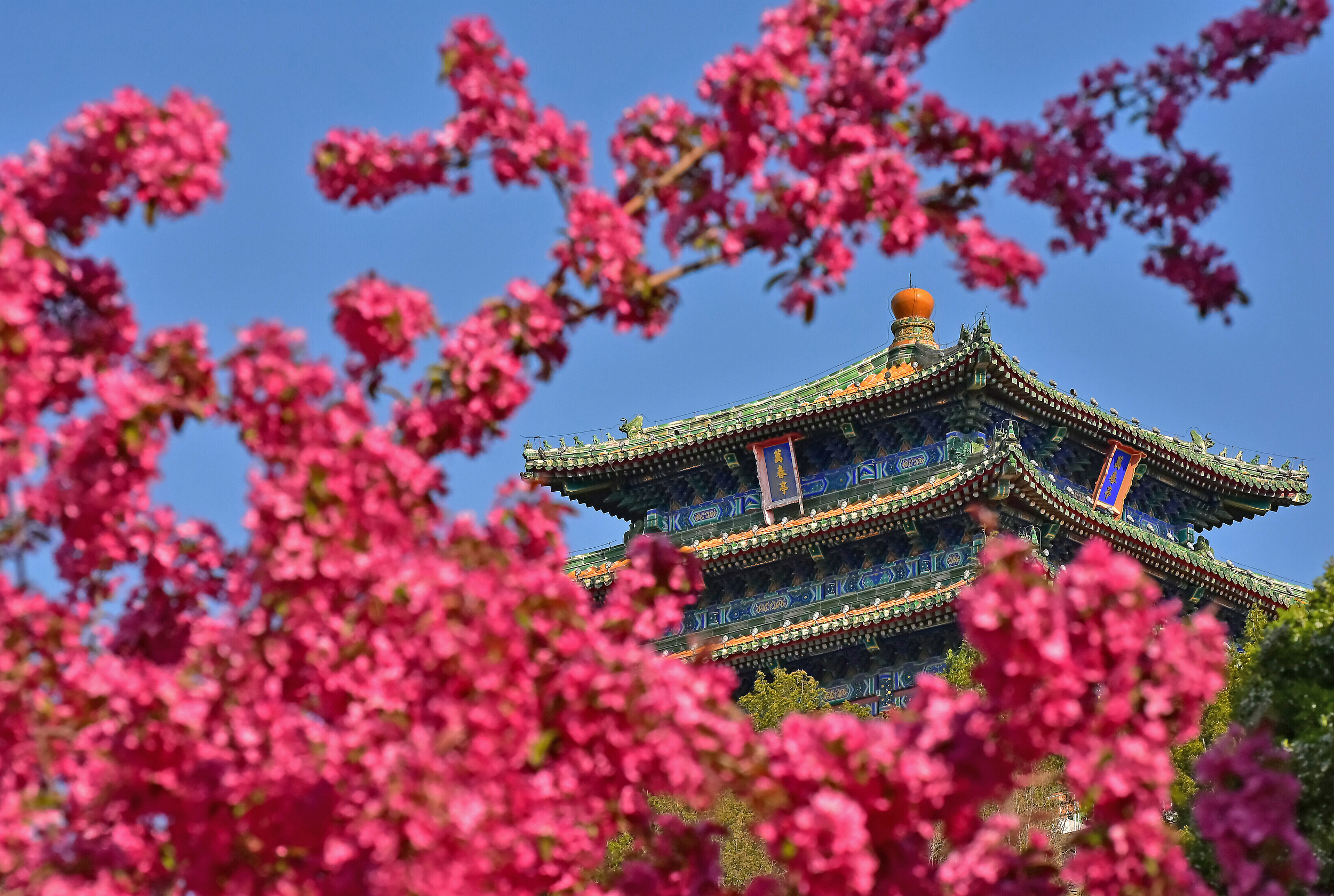
In the early 15th century, the Yongle Emperor ordered the creation of Jingshan – a 45.7-meter-high hill built entirely from the soil excavated to dig the Forbidden City’s moats. This massive project was achieved with only manual labor and animal power, forming five separate peaks aligned along Beijing’s central axis. Each peak was crowned with an ornate pavilion where officials could rest and enjoy views of the sprawling imperial capital.
For feng shui masters, a protective hill to the north was vital to shield the palace from cold winds and evil spirits. Jingshan (literally “Prospect Hill”) fulfilled this role. Despite the serene scenery, it also witnessed a tragic moment: in 1644, the last Ming dynasty emperor, Chongzhen, committed suicide by hanging himself from a tree on this hill when rebel forces overran Beijing.
By 1949, much of the long-neglected park had been restored, with pavilions renovated and pathways rebuilt. Today, Jingshan Park is alive with local culture. At dawn, Beijing residents practice tai chi, dance, or sing Peking opera in the shade of ancient pine and cypress trees. Each spring, the park’s famous peony garden bursts into bloom with over 20,000 blossoms, one of the largest displays in the city. In 2024, Jingshan’s enduring significance was recognized when it was inscribed as part of Beijing’s UNESCO World Heritage Central Axis.
Address: Jingshan Park (景山公园) — 44 Jingshan West Street
Fun fact — Jingshan Park is often nicknamed “Coal Hill” (Méishān) due to an old legend that the emperors kept a hidden coal reserve inside the hill for emergencies. (Spoiler: no such stash was ever found.)
Directly west of Jingshan Park lies Beihai Park, another former imperial garden centered around a picturesque lake. Its prominent white stupa (the White Pagoda) on an island is clearly visible from Jingshan’s hilltop, marking another scenic historic landmark in central Beijing.