Beijing (Beijing Municipality, 北京市 — Běijīng Shì): a brief overview for travelers
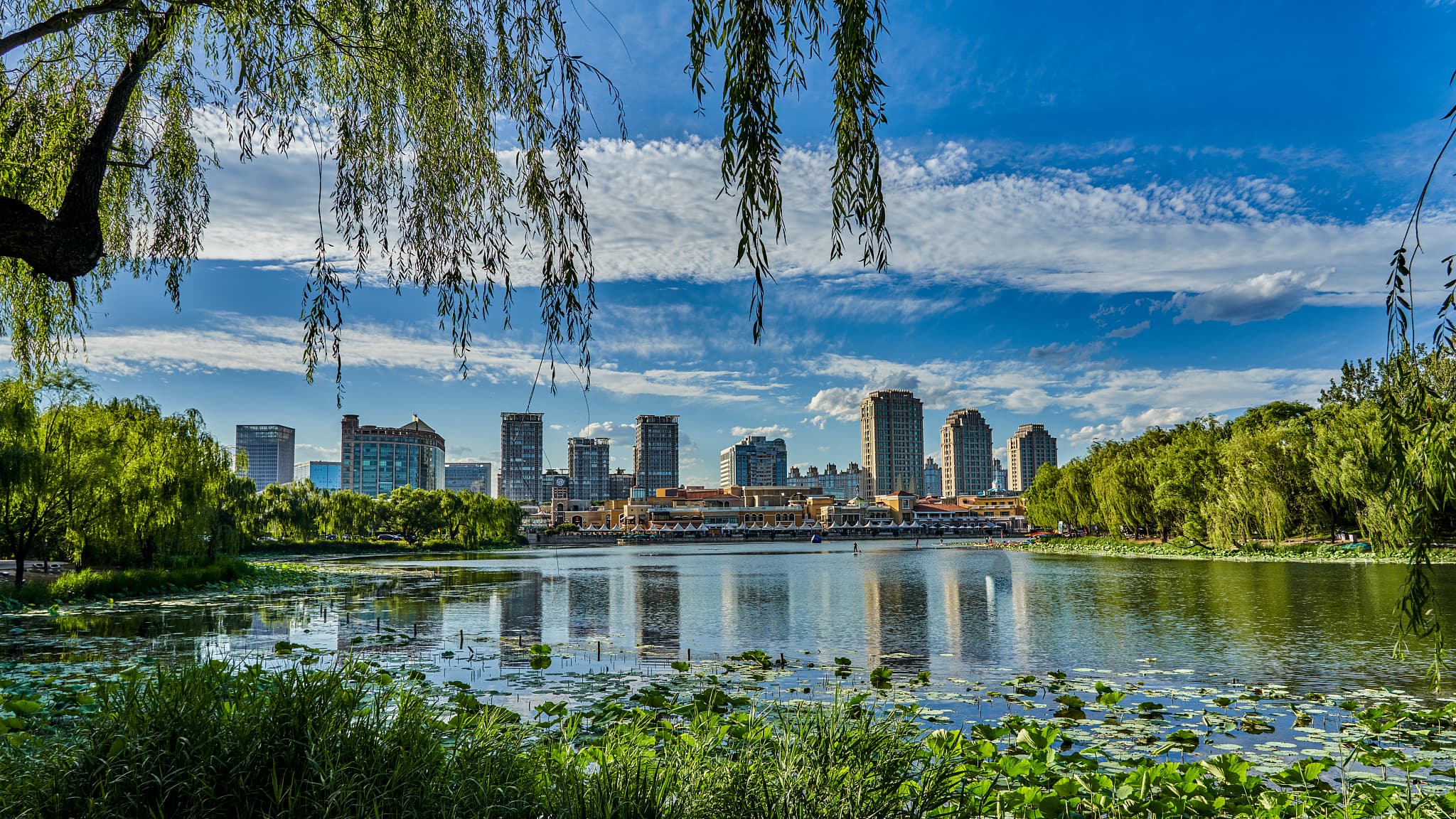
Beijing is a centrally administered municipality (a provincial-level administrative unit): a vast territory where a cutting-edge мегacity coexists with mountains, reservoirs, and sections of the Great Wall of China.
A bit of history
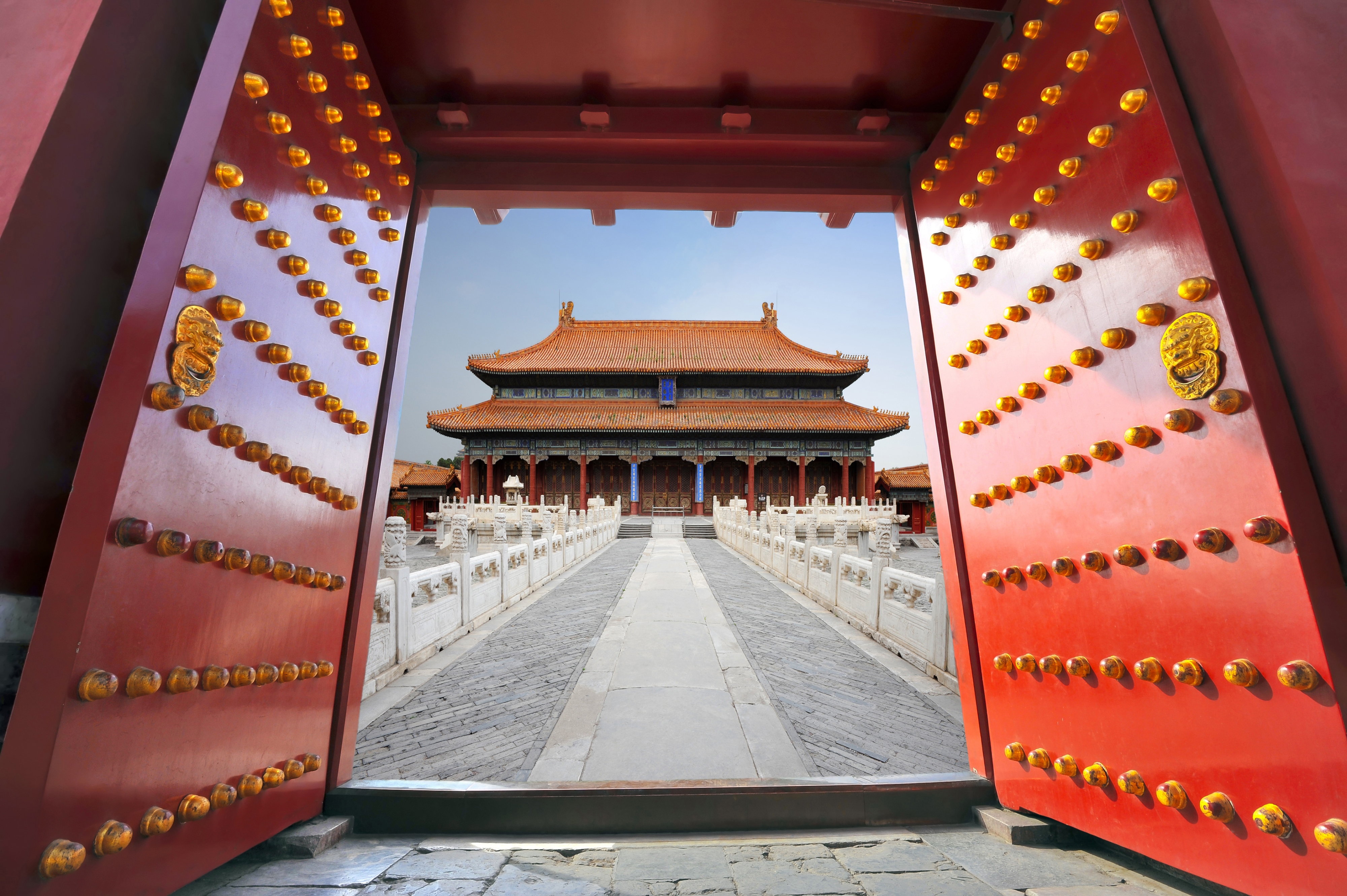
Settlements in the area of modern Beijing have existed for thousands of years. The city took shape as the capital of “all of China” during the Yuan dynasty: in the 13th century, under Mongol rule, a new capital called Dadu (大都) was established. Later, Beijing became the main political center under the Ming and Qing dynasties—this is when the imperial palaces, ritual complexes, and the characteristic axial layout of the capital were formed, a structure that is still easy to “read” today.
Administrative division
Beijing is divided into 16 districts: from central historic ones (such as Dongcheng and Xicheng) to large “urban” districts (Chaoyang, Haidian) and more natural or suburban areas (for example, Miyun and Yanqing), where sections of the Great Wall, hiking trails, and water recreation areas are often located.
Transportation and accessibility
-
By air: the city is served by two major airports — Beijing Capital International Airport and Beijing Daxing International Airport.
-
Within the city: the metro is the most convenient mode of transport for tourists: fast, easy to navigate, and usually free of traffic jams.
-
Around China: Beijing is the country’s largest railway hub. High-speed trains are often more convenient than flights for medium distances (for example, to nearby megacities and major tourist centers).
Main attractions
If this is your first time in Beijing, a classic “must-see” list usually includes:
-
The Forbidden City (Gugong) — the main symbol of imperial Beijing.
-
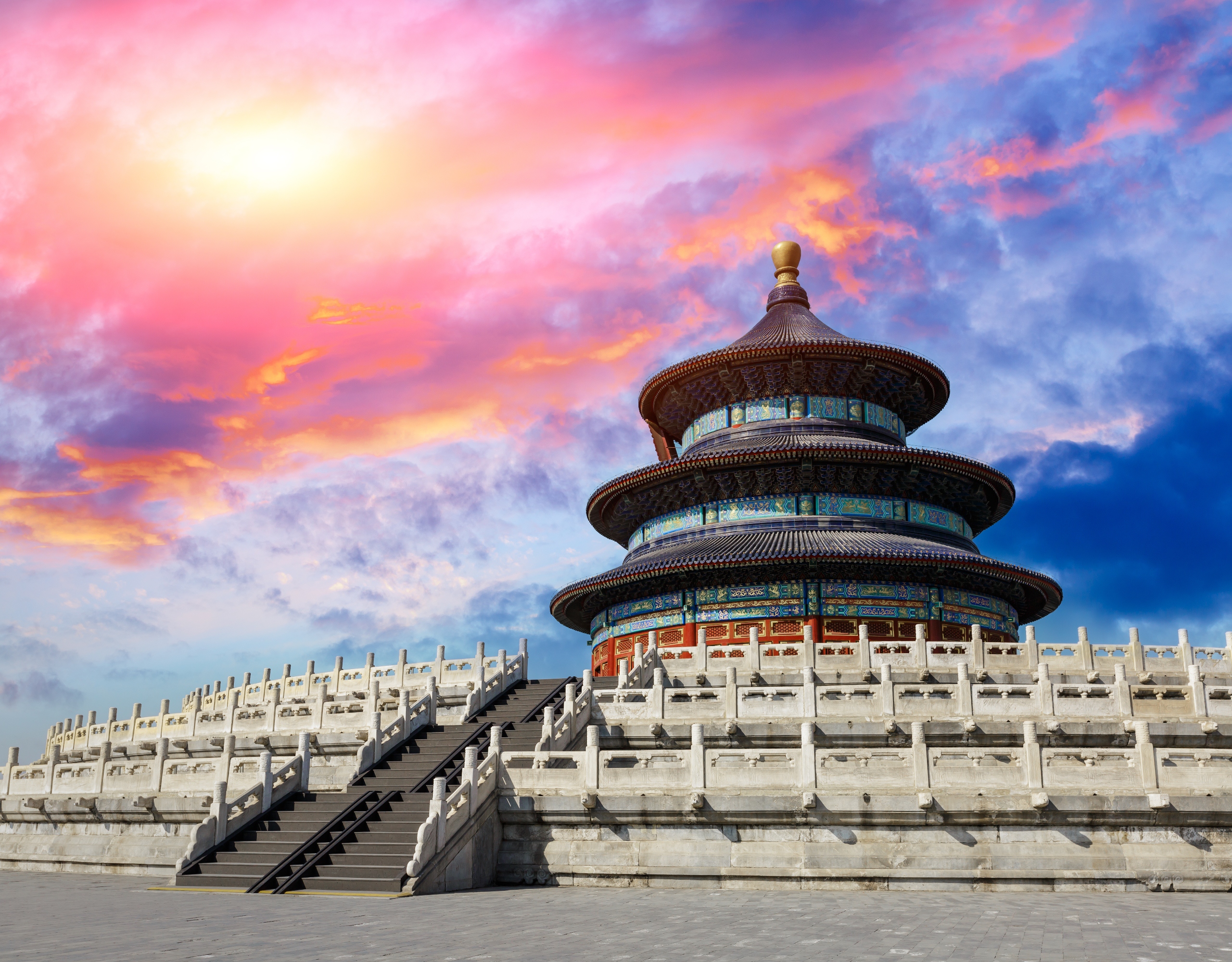
The Temple of Heaven — an outstanding ritual complex and a masterpiece of classical Chinese architecture.
-
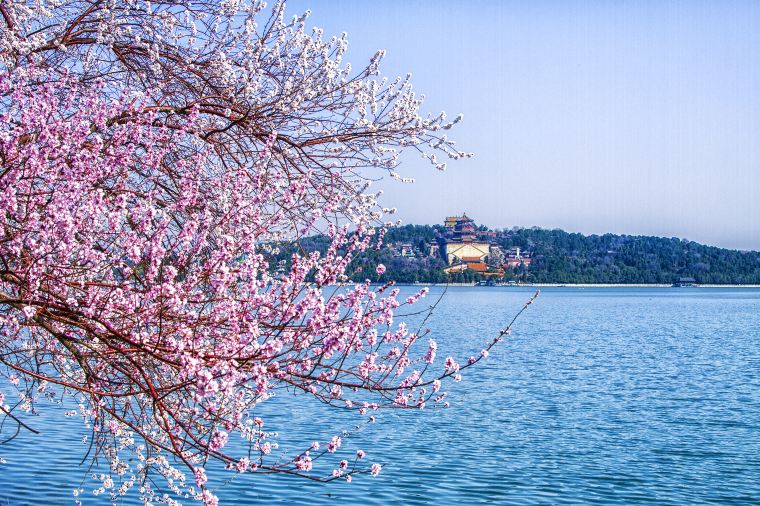
The Summer Palace — the pinnacle of Chinese garden and landscape art.
-
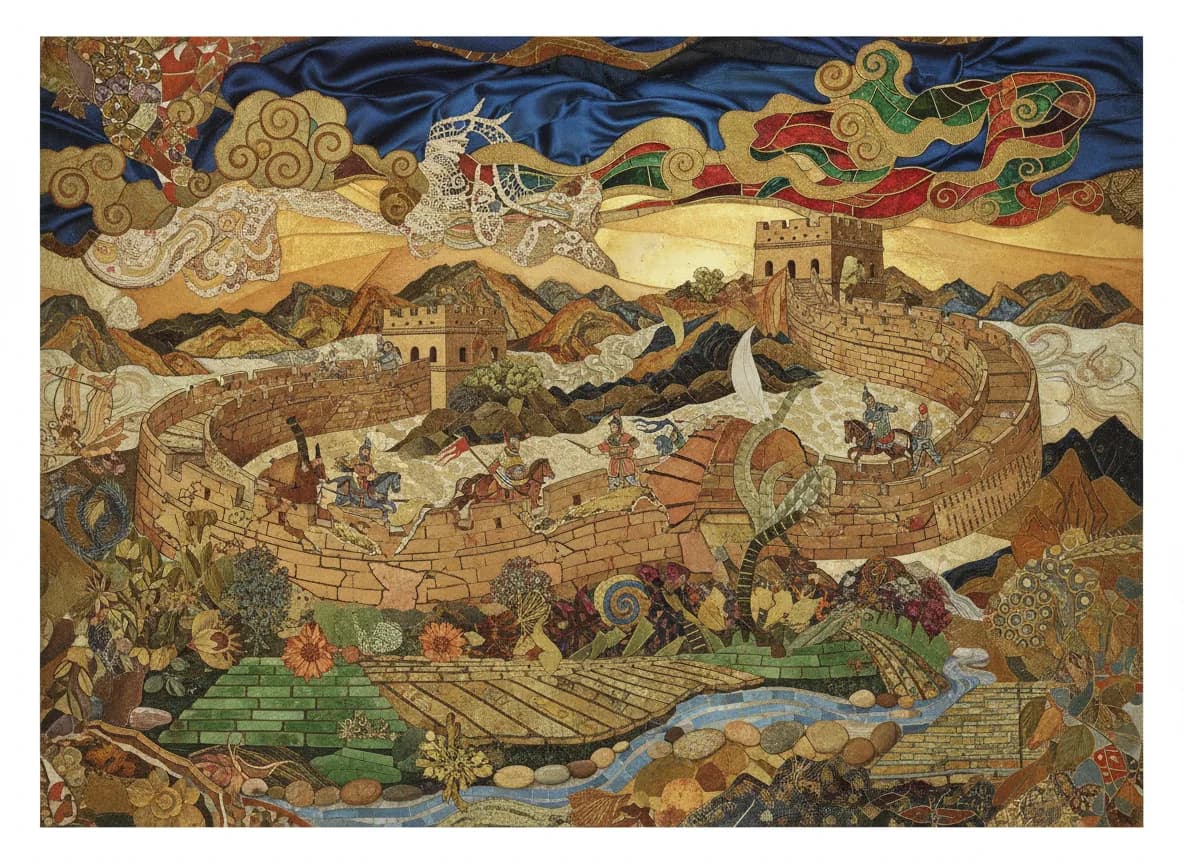
The Great Wall of China (sections near the city) — the most popular day trip from Beijing.
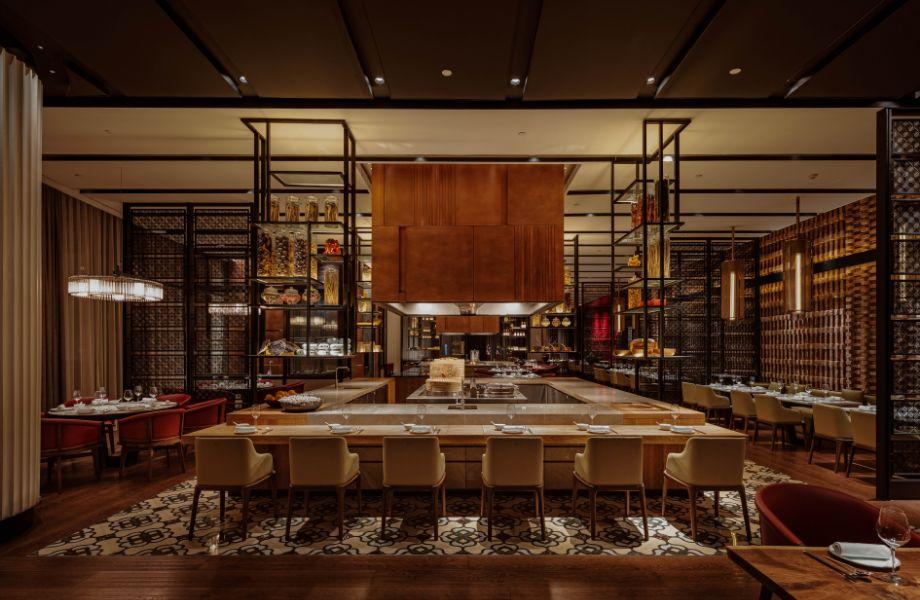
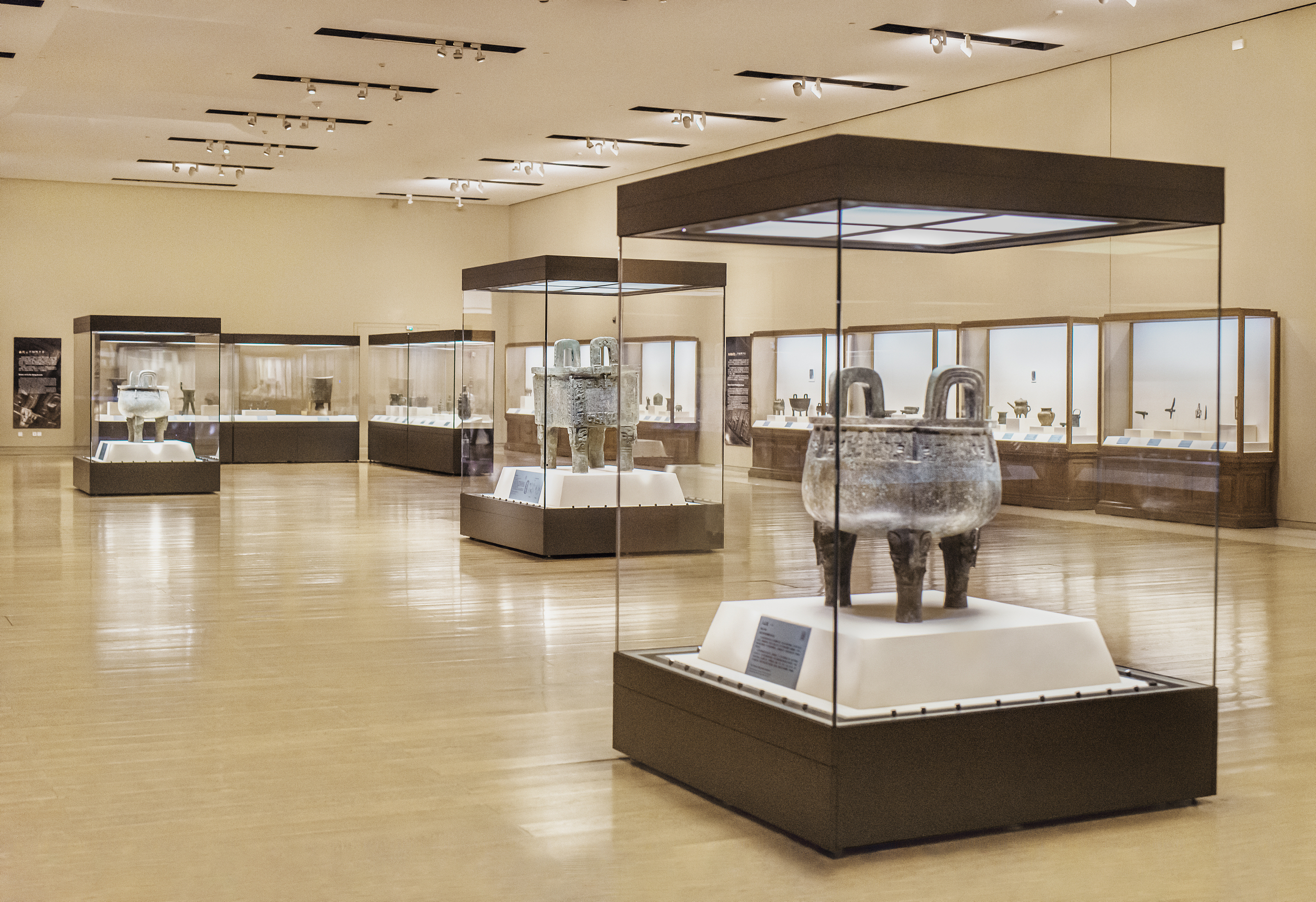
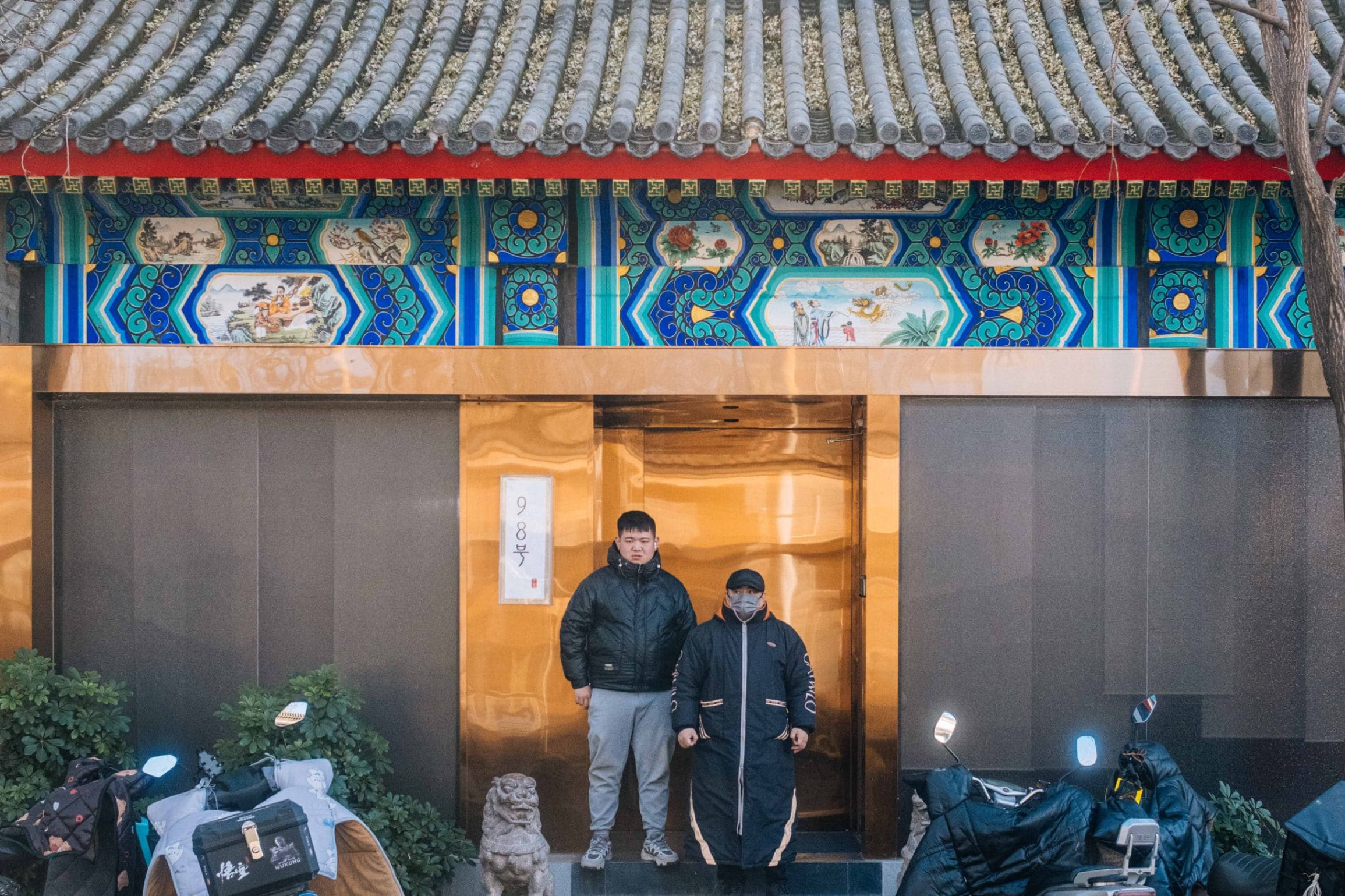
Plus everyday city life: walks through hutongs and siheyuan courtyards, modern neighborhoods, art districts, Peking duck, and street food — all of which make Beijing not just a “museum city,” but a living, breathing megapolis.
Best time to visit
The most comfortable seasons are spring (April–May) and autumn (September–October, often until early November): pleasant temperatures, good visibility, and excellent conditions for walking and trips to the Great Wall. Summers can be hot and humid, while winters are cold and dry (but with fewer tourists and sometimes lower prices).