In Beijing, there are restaurants that function as culinary attractions, and others that operate in a different register — almost like meeting rooms with very good food. Exquisite Bocuse (Jingcaixuan) belongs firmly to the latter.
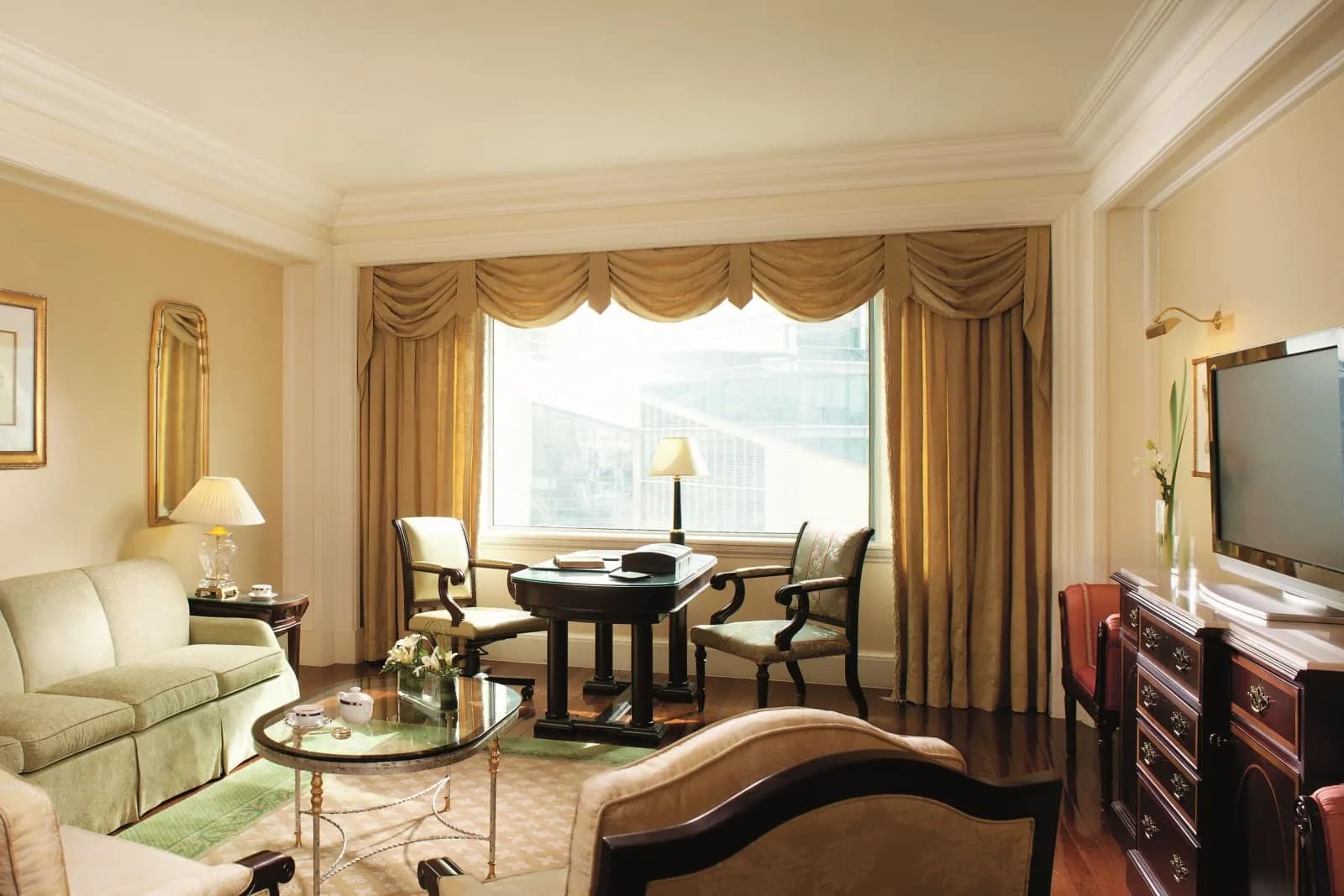
It’s tucked into the Guomao business district, surrounded by glass and steel — the architecture of modern Chinese capitalism — where dinner often feels like an extension of the workday, just with porcelain and wine. Inside, the design leans toward understated luxury: soft lighting, spacious dining rooms, and private suites. Everything is calibrated so that conversation takes center stage.
The service is close to flawless. Staff move with the precision of a well-rehearsed ensemble: discreet, synchronized, never intrusive. Plates are replaced, tea is refilled, pauses are anticipated — all with a level of confidence that is often expected in China but not always delivered. Here, service is not a supporting act; it is one of the main reasons to come.
The cuisine is Cantonese with light gestures toward modernity, though without any real experimentation. The goal is not to surprise, but to avoid disappointment. The menu follows familiar formulas: dim sum, cold appetizers, roast meats, seafood. The most talked-about dish is the lobster mapo tofu — an unusual but successful fusion of Sichuan classic and Cantonese luxury. The spice is softened, the textures are carefully balanced, the flavor rounded and accessible — as if designed to please everyone at the table.
There are other strong dishes: delicate tofu-skin rolls, fresh black fungus salads, well-executed char siu — not overly fatty, with a proper caramelized glaze. But even in the most positive reviews, one phrase keeps resurfacing: “nothing surprising.” The food is technically sound and consistently good, yet rarely pushes beyond expectations. At times, it leans slightly sweet or a bit oily — traits common in Cantonese cuisine adapted for a broad audience.
This leads to the restaurant’s central contradiction. Guests give high ratings — for the ambiance, the service, the overall experience — yet describe the food as merely “good.” At Jingcaixuan, the experience often matters more than the flavors themselves. It’s less about what you ate, and more about how it all felt.
With an average bill of 200–300 RMB per person, the restaurant sits in a tricky expectation zone: diners anticipate something close to Michelin-level dining, but receive a very solid, confident performance instead. Not a disappointment — but not a revelation either.
Still, Jingcaixuan has a clear purpose. It’s a restaurant for occasions: business dinners, family celebrations, meetings where the setting matters as much as the meal. You don’t come here for culinary discovery, but for controlled, predictable quality — the reassuring sense that everything will go smoothly.
In that sense, Jingcaixuan is a perfect example of Beijing’s “business luxury” dining. A restaurant that doesn’t try to be the best in the city, but understands exactly why it exists.