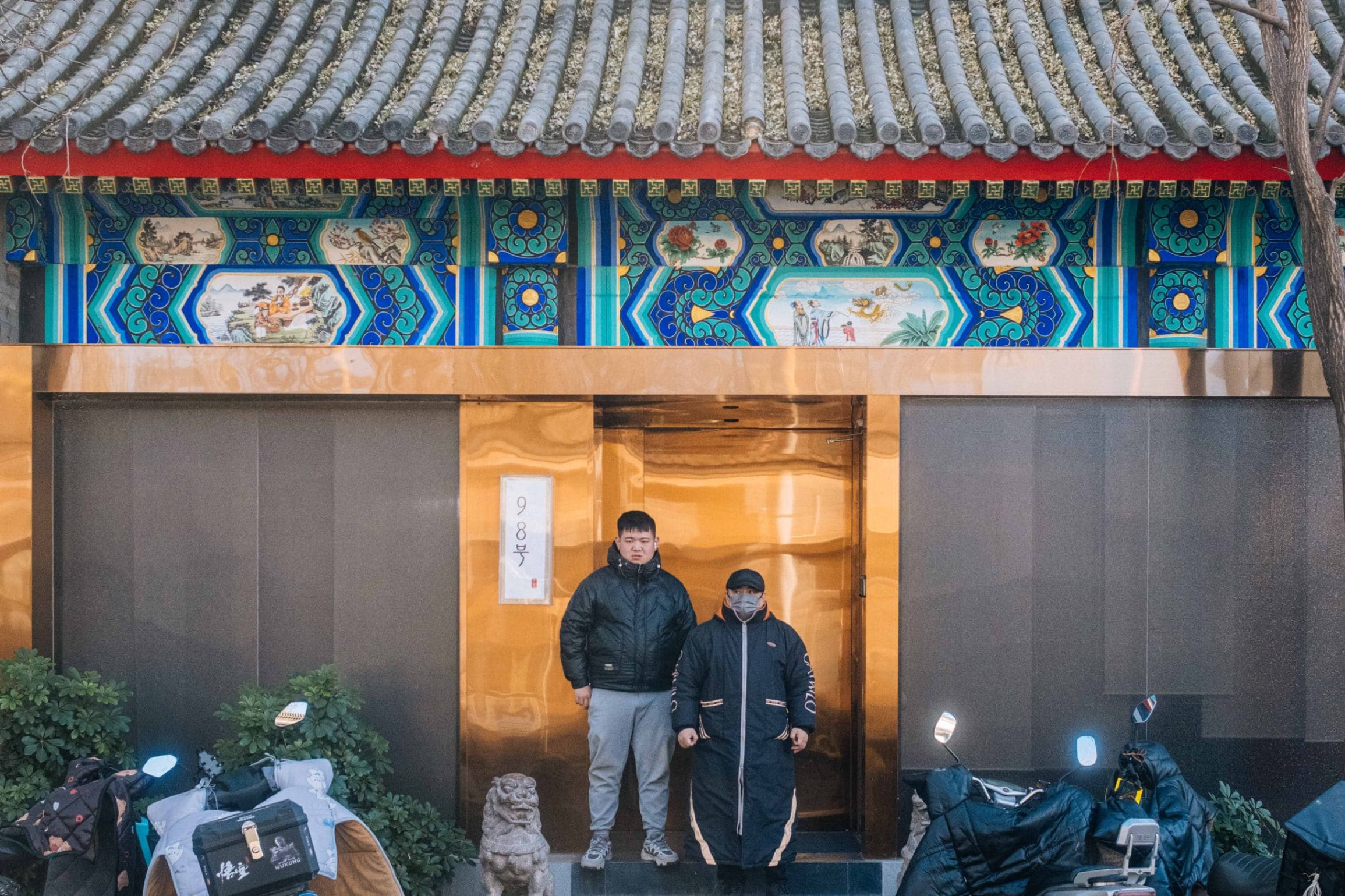
Beijing is one of the world’s great capital cities — a place where more than 3,000 years of imperial history sit alongside the scale, ambition, and modernity of contemporary China. It is a city of grand palaces and intimate alleyways, atmospheric temples and sleek glass towers, luxury hotels and tiny craft-coffee shops hidden in hutongs. The contrasts are striking, and this layered character is what makes Beijing endlessly fascinating for first-time visitors and returning travelers alike.
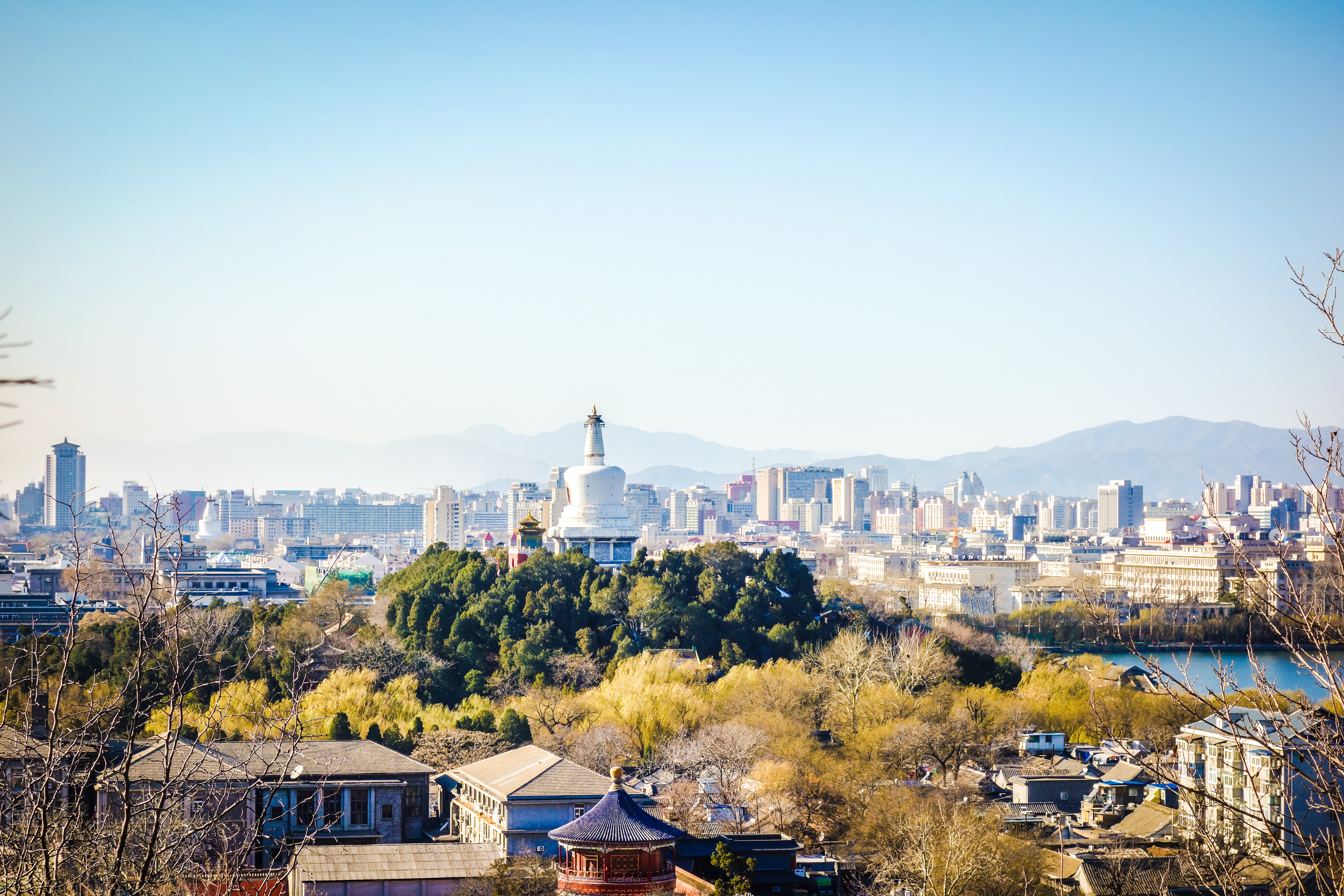
The city offers landmark attractions known around the world: the Forbidden City with its vast courtyards, the Temple of Heaven set in a tranquil park, the lakes and pavilions of the Summer Palace, and of course the Great Wall, accessible through scenic sections such as Mutianyu and Jinshanling. Yet Beijing is far more than its monuments. Food markets, tea houses, local eateries, design boutiques, and contemporary art zones give the city a living, creative energy, while neighborhoods differ so much in style and mood that each feels like a destination of its own.
Seasons shape the experience strongly. Spring (April–June) is one of the most pleasant times to visit: mild temperatures, clear skies, and blossoming parks, though March can still be dusty due to seasonal winds. Summer (July–August) is hot, humid, and lively, with afternoon thunderstorms and long daylight hours — great for lake walks and evening markets, though you should expect crowds at major sights. Autumn (September–October) is widely considered the best season, offering crisp air, blue skies, and golden foliage across imperial gardens and the Great Wall. Winter (November–February) is cold, bright, and atmospheric, with temperatures often dropping below freezing; the dry air makes for sharp visibility, and fewer tourists mean quieter palaces and excellent photos, though you’ll need to dress warmly.
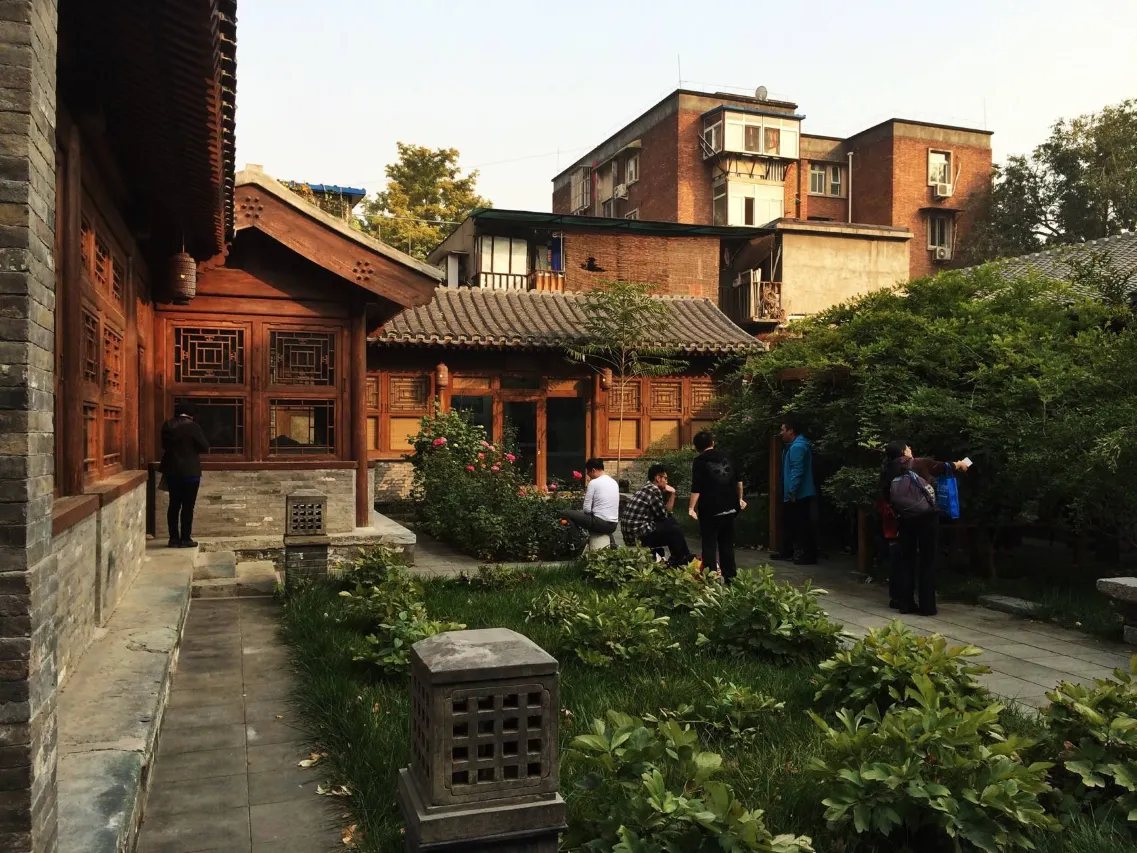
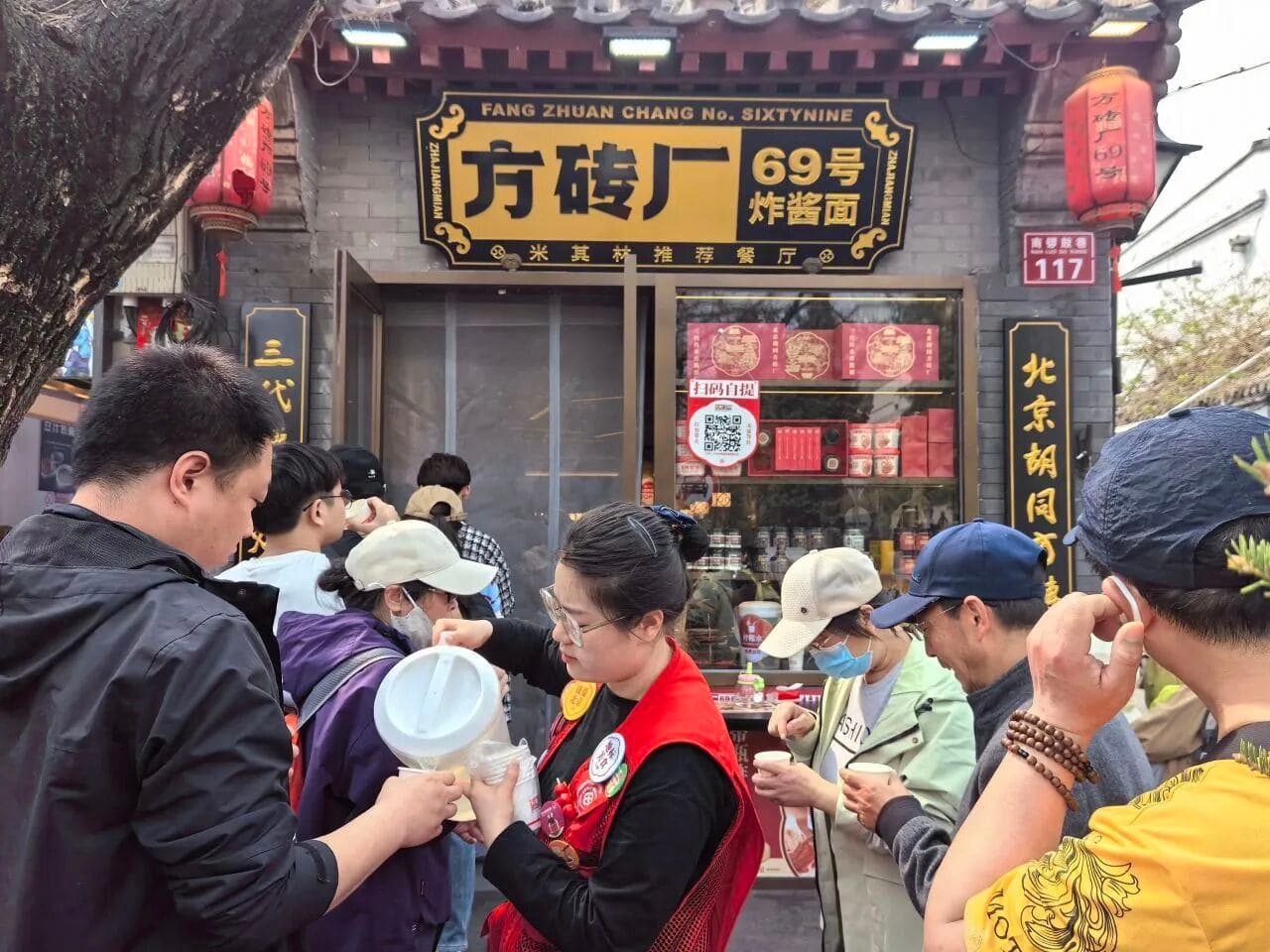
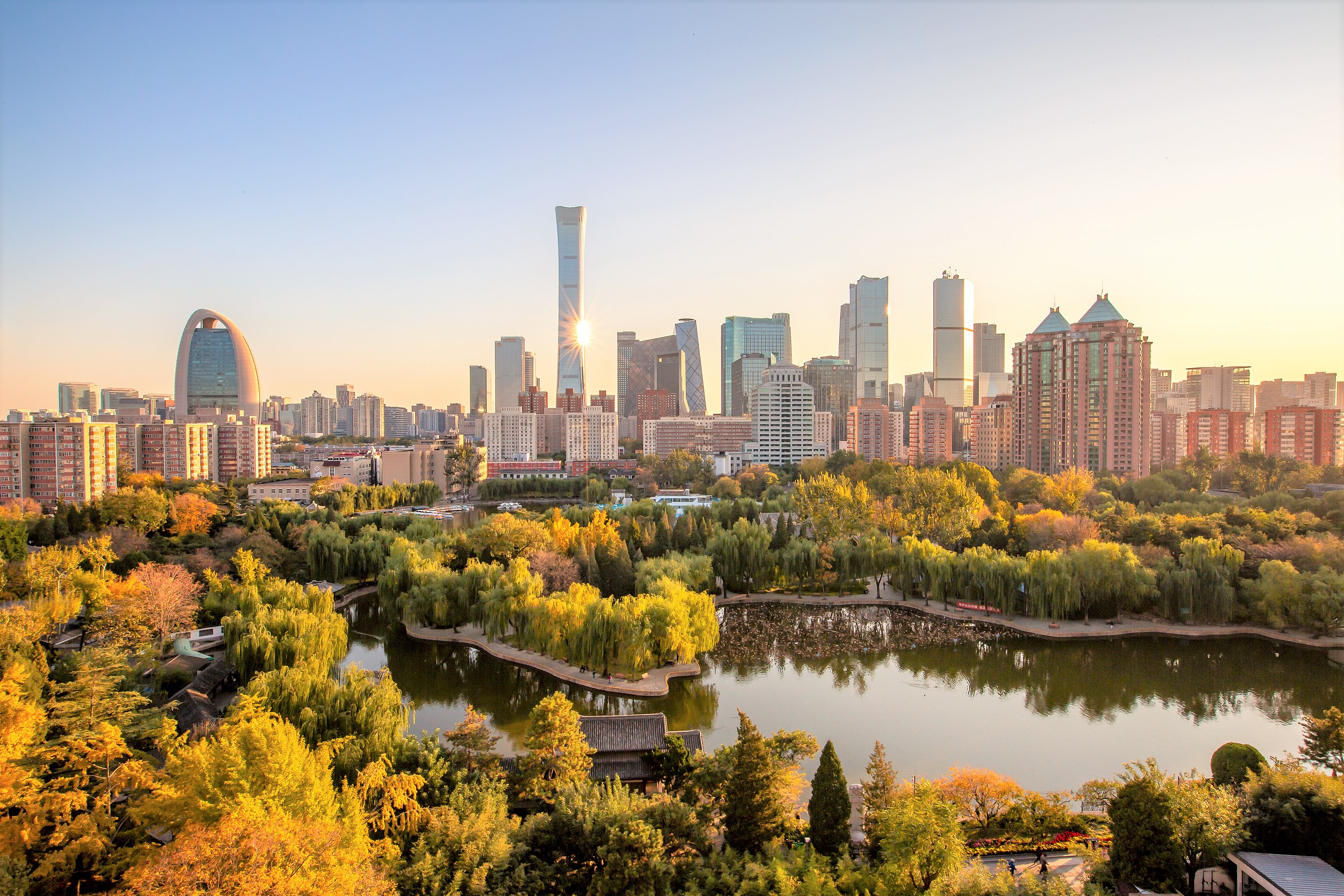
Beijing’s neighborhoods vary greatly. Beixinqiao, Wudaoying, and the surrounding hutong districts are ideal for travelers who want to experience traditional alleyway life blended with modern cafés, courtyard hotels, and independent shops. Sanlitun and wider Chaoyang form the city’s cosmopolitan heart, packed with nightlife, restaurants, embassies, and high-end shopping. The CBD is Beijing’s business core — a district of skyscrapers, upscale malls, international dining, and premium hotels. Wangfujing and Qianmen suit visitors who prefer a central, historic area within walking distance of major attractions, while Haidian offers a mix of prestigious universities, tech campuses, and access to the Summer Palace and Western Hills.
Whether you’re hiking along ancient fortifications at sunrise, wandering through quiet hutongs with a cup of local coffee, admiring imperial architecture, or exploring Beijing’s contemporary art and design scene, the city rewards curiosity and slow exploration. Its excellent subway system makes all districts accessible, and while English is not widely spoken outside hotels and tourist sites, translation apps work reliably. With its deep history, vibrant neighborhoods, and constant sense of momentum, Beijing remains one of Asia’s most compelling destinations.