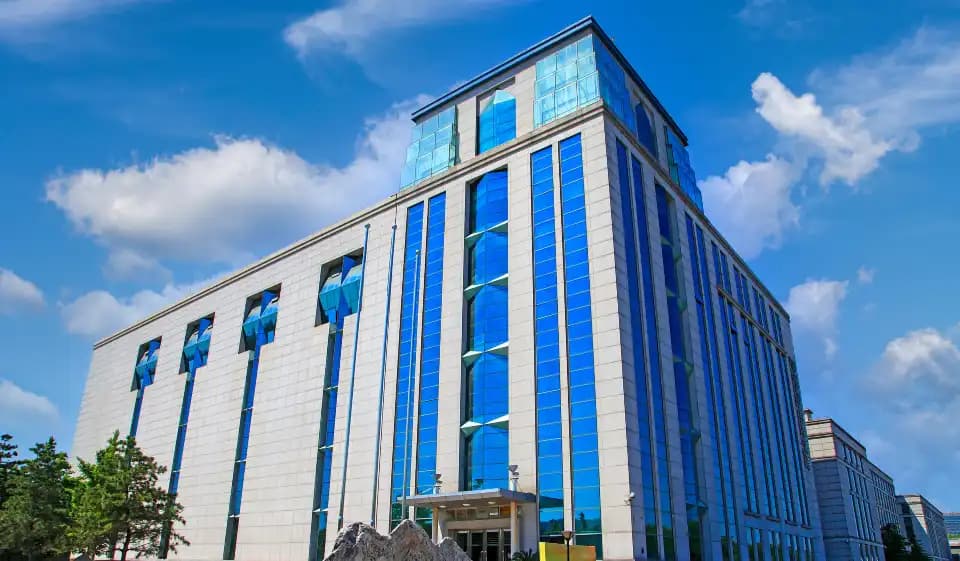
The Geological Museum of China (中国地质博物馆), beside Xisi metro station, explores rocks, minerals, gemstones and prehistoric life. Dating back to 1916, it explains geology through specimens, models and labels, from the structure of the Earth to the formation of rocks. Visitors are often surprised by how much familiar-looking stones vary in colour, shape and structure. Allow two to three hours to explore the exhibition floors rather than rushing from one sparkling case to the next. The museum is temporarily closed for internal maintenance on September 12–14, 2026; reopening is announced for September 15.
The minerals and gemstone displays receive the most consistent praise. Crystals, large rock specimens, gold and cut gems let you compare materials in their natural state with the results of human craftsmanship. Visitors remember the illuminated cases, range of colours and recreated mineral cavities. The appeal goes beyond precious stones: looking closely at azurite, fluorite or quartz helps explain why collectors can spend hours in a single gallery. However, do not expect an enormous treasury devoted to jewellery. This is primarily a museum of Earth science, and its scientific specimens matter as much as their visual impact or commercial value.
Displays about geological processes and prehistoric life broaden the visit beyond minerals. Models of natural processes, fossils and skeletal reconstructions provide a further layer of interest; not every ancient object on display is an original. Families value showing children physical specimens instead of textbook pictures. Reactions to the museum’s suitability for children differ, however. School-age visitors with an interest in nature may gain more from it, while younger children can lose patience with technical terms and rows of cases. Some specimens are intended for tactile exploration, so follow the instructions beside them. Interactive features do not guarantee that every device will be available and working.
The main drawbacks are crowded rooms and uneven presentation. School groups gather around popular cases during holidays and weekends; an early weekday visit offers a better chance of studying them at your own pace. Reviews mention dated equipment and dim displays alongside considerable enthusiasm for the collection. English labels are available, but coverage varies between galleries. Before paying for an audio guide, check its languages and the exhibits it covers, as visitors disagree about its usefulness. The museum shop sells mineral specimens and jewellery, with prices some visitors find high. Check the current arrangements for souvenir stamps before assuming you can use your own notebook.
Normal hours from September 2026 are Tuesday–Sunday, 9am–6pm, with last entry at 5:30pm; allow for public-holiday changes and the temporary closure. Standard adult admission is CNY15, with free entry for qualifying concession groups who provide the required documents. Advance booking under the visitor’s name is required, including for free admission. The museum directs visitors to its 中国地质博物馆 WeChat account or Alipay mini-program within seven days of a visit. Confirm the appropriate booking method for a foreign passport with the museum or ticket seller in advance, rather than relying on a walk-up ticket. The address is 15 Yangrou Hutong, Xicheng. Exit D at Xisi on metro line 4 is a useful landmark, and nearby Guangji Temple makes a possible continuation of the walk.