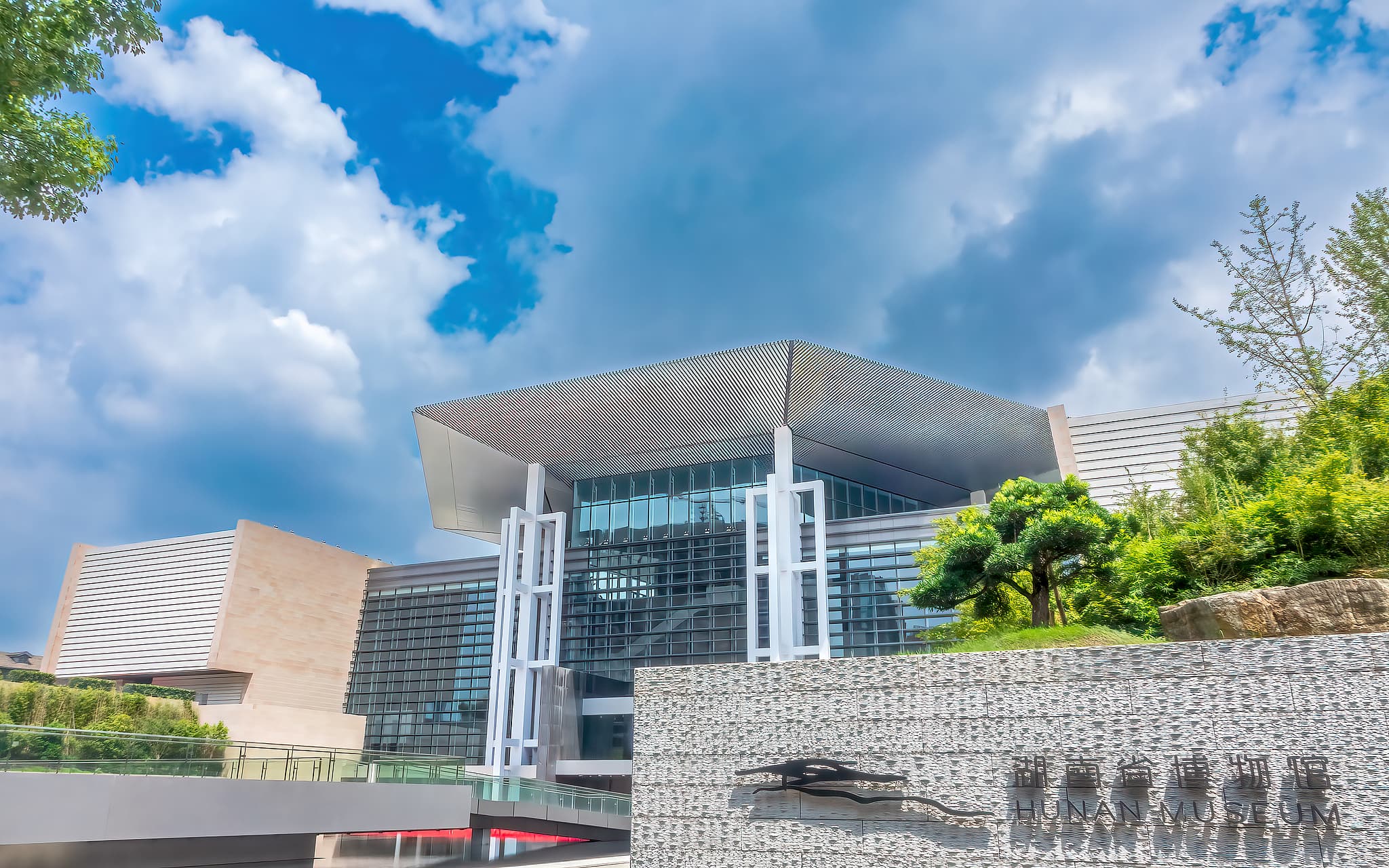
What This Place Is: Hunan Provincial Museum is one of China's first-tier national museums and the largest comprehensive history and art museum in Hunan Province. Opened in its current form in November 2022, it houses over 180,000 cultural relics spanning from prehistoric times through the modern era. The museum is internationally significant primarily for its Mawangdui Han Tomb collection—artifacts unearthed between 1972 and 1974 from the burial site of Li Cang, prime minister of Changsha State during the early Western Han Dynasty, and his family. This collection includes 11 nationally prohibited-from-export cultural treasures.
What Visitors Consistently Praise: The Mawangdui Han Tomb exhibition is the undisputed centerpiece and the reason most visitors come. Reviewers are repeatedly awestruck by the preservation and artistry of the artifacts: the plain gauze single garment (described as thin as cicada wings), the T-shaped silk painting, exquisitely painted lacquerware, and the remarkably intact remains of Lady Xin Zhui herself. The museum's modern architecture, spacious and bright exhibition halls, and logical layout receive universal praise. Many visitors highlight the immersive exhibition design, particularly the 1:1-scale tomb reconstruction and the 16-meter immersive digital exhibition line that creates an atmospheric journey into the tomb. Guided tours—whether booked through the museum or via third-party platforms—are frequently mentioned as transformative; visitors emphasize that professional guides dramatically enhance understanding and emotional impact. The museum also offers AR glasses and other technological aids. Visitors appreciate the comfortable rest areas, dining facilities, and high-quality cultural merchandise. The museum is free to enter, which adds to its value.
Practical Advice from Visitor Experience: Booking is absolutely critical—multiple reviewers stress that tickets must be reserved approximately one week in advance through the official museum account or platforms like Ctrip. Walk-ins during peak times (holidays, weekends, Chinese New Year) will be turned away. Arrive early (9:00 AM opening) if you have a reservation to avoid crowds and security queues. The museum operates 9:00 AM–5:00 PM most days (admission ends at 4:00 PM), with extended hours (until 8:00 PM) during certain holidays. Getting there by subway is strongly recommended due to traffic congestion in central Changsha; the museum is centrally located and accessible. Plan to spend 3–5 hours for a thorough visit, though 2–3 hours suffices if you focus on the Mawangdui exhibition. Hiring a professional guide (either through the museum or via Ctrip) costs extra but is highly recommended—reviewers consistently note that guides provide crucial context, detailed explanations of artifacts like Lady Xin Zhui and the plain silk robe, and create a more meaningful experience. The automatic explanation machine costs 30 yuan if you prefer self-guided interpretation. The immersive digital exhibition (Mawangdui Immersive Digital Exhibition) costs 98 yuan for three light-and-shadow halls and is worth the investment for those interested in deeper engagement. Bring comfortable shoes, as the exhibition halls are expansive. The air conditioning can be strong, so consider a light layer. Visit on weekdays if possible to avoid overwhelming crowds.
Common Complaints and Mitigation: The primary complaint is overcrowding, especially during holidays and weekends—this is unavoidable but manageable by visiting on a weekday or arriving at opening time. Some visitors note that the air conditioning is intense, so dress in layers. A few reviewers mention difficulty obtaining tickets even with advance planning during peak seasons; booking through Ctrip or the official museum platform increases your chances. The museum can feel tiring to navigate in a single visit due to its size; prioritize the Mawangdui exhibition if time is limited.