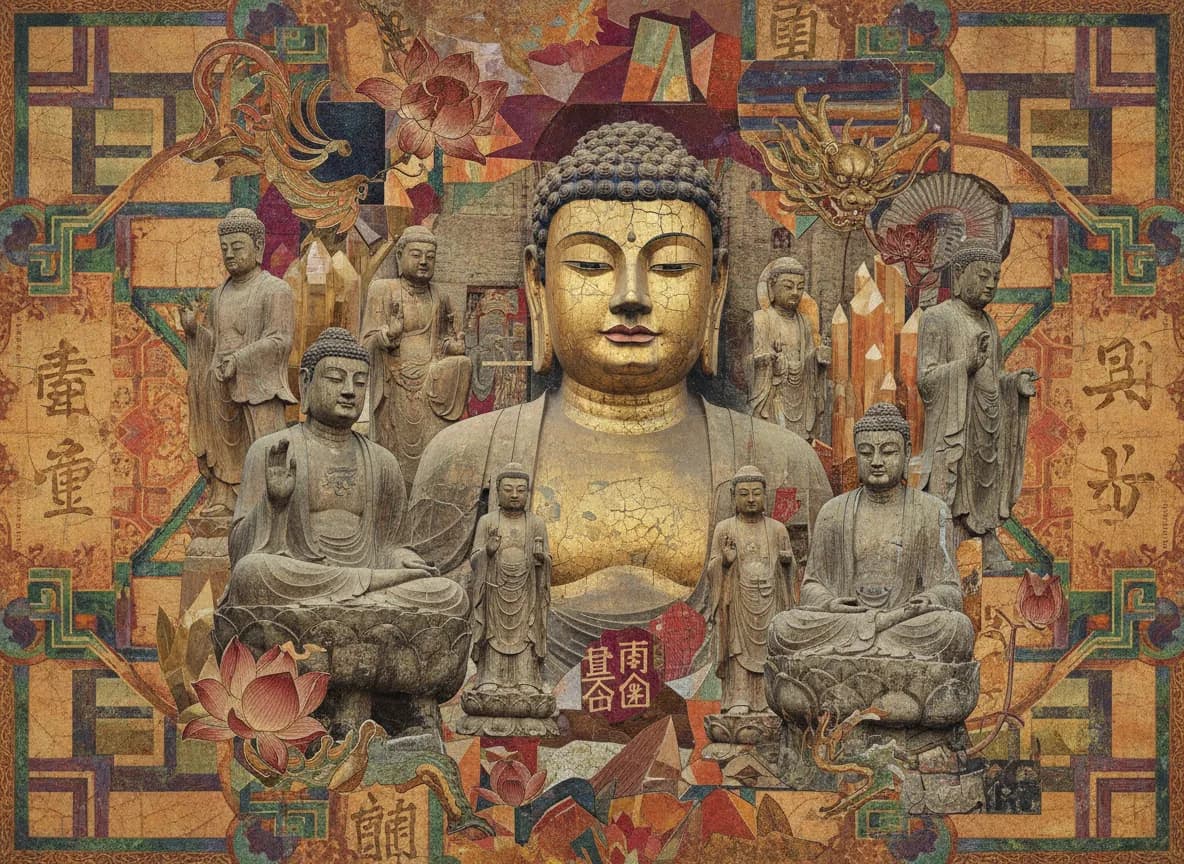
The Longmen Grottoes, a UNESCO World Heritage site, represent one of China's most significant collections of Buddhist art, spanning over 1,000 years of carving. Located along the Yi River, these grottoes house more than 100,000 Buddha statues within 2,300 caves, showcasing the evolution of Chinese Buddhist sculpture from the Northern Wei to the Tang dynasties. It is a testament to ancient craftsmanship and religious devotion, offering a profound glimpse into China's rich cultural past.
Visitors consistently praise the awe-inspiring scale and intricate details of the carvings, particularly the majestic Vairocana Buddha, often highlighted as a must-see. Many reviewers describe the experience as a journey through time, deeply impactful and culturally enriching. The site's high value for money, with affordable tickets compared to other attractions, is frequently noted. Reviewers also recommend visiting the adjacent Xiangshan Temple and Bai Juyi's Garden for a more comprehensive experience, as these are included in the ticket. The option for a night tour, especially during warmer months, is a popular highlight, offering a different, illuminated perspective of the grottoes.
For practical advice, it is highly recommended to hire a guide or join a guided tour to fully appreciate the history and stories behind the carvings, as simply viewing them without context can diminish the experience. Several visitors suggest allocating 3-5 hours for a thorough visit. To avoid the most intense crowds, particularly during holidays and weekends, aim for early mornings or late afternoons. Reviewers advise taking a bus directly from the high-speed rail station or navigating to the Northwest Service Area for convenient access. Bringing insect repellent is suggested, especially near the river. Consider staying at nearby Longmen Cultural Street for convenient access and affordable accommodation.
A common complaint is the significant crowding during peak seasons and holidays, which can detract from the viewing experience and make photography challenging. To mitigate this, plan your visit during off-peak times or seasons, such as winter, which reviewers note offers a 'different kind of beauty' and fewer people. Some statues are severely damaged due to weathering and past theft, which can be disappointing for those expecting perfectly preserved art. However, many visitors still find the remaining artistry and historical significance profoundly moving.