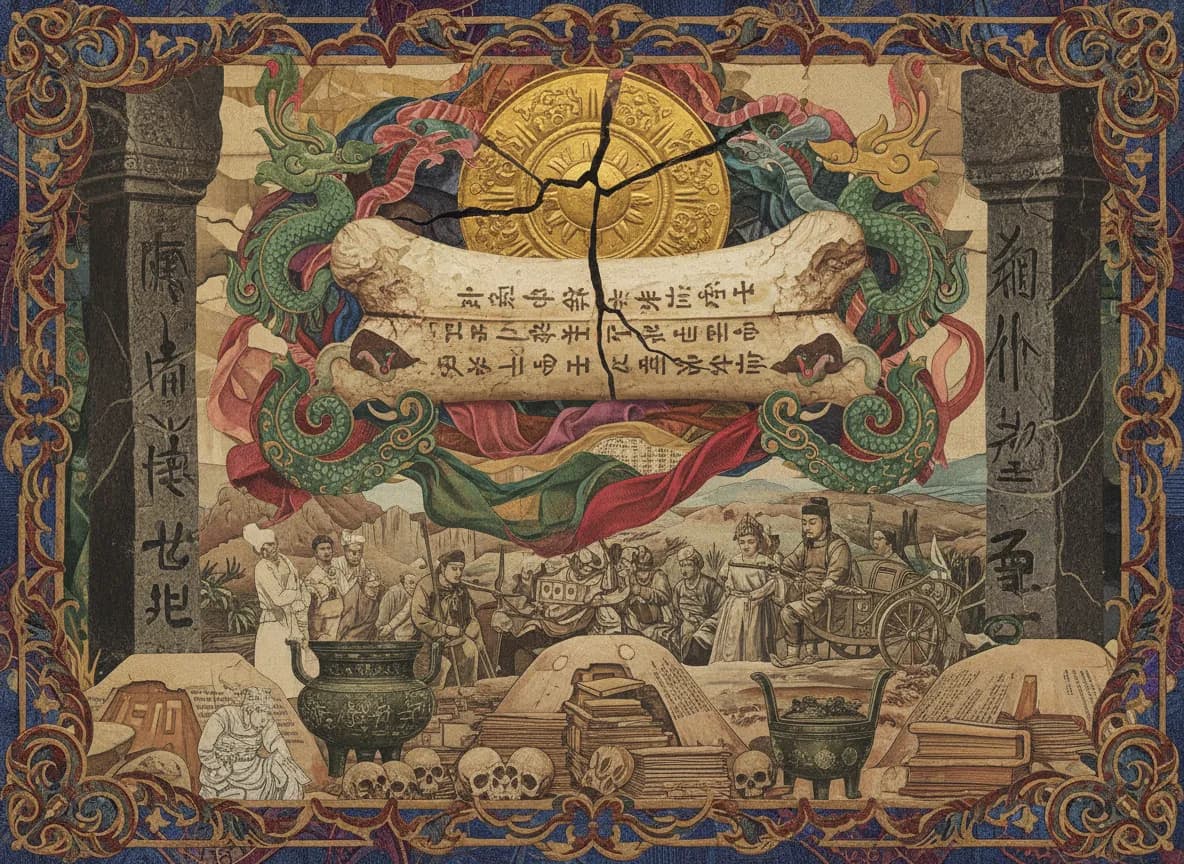
Yin Xu, located in Anyang, Henan Province, is the site of the last capital of China's Shang Dynasty and a UNESCO World Heritage site. It holds immense historical significance as the first capital in Chinese history confirmed by archaeological evidence and oracle bone inscriptions. The site is crucial for understanding the origins of Chinese writing and early civilization, offering a tangible connection to a 3,600-year-old past.
Visitors consistently highlight the impressive new Yinxu Museum, which opened in March 2024, as a must-see. Many reviewers note that the museum's exhibits are so extensive that a full day is barely enough to appreciate everything, with some spending from morning until night. Key highlights include the history of Shang civilization, bronze ware, and especially the oracle bone inscriptions. While some original precious artifacts like the Simuwu Large Square Ding are now in national museums, visitors still find the replicas and the sheer volume of other unearthed relics fascinating. The Tomb of Fu Hao is another frequently praised site within the complex, offering insights into women's roles in the Shang Dynasty.
To make the most of your visit, plan for at least 3-5 hours, with many suggesting a full day, especially if you want to explore both the museum and the outdoor ruins thoroughly. The site is divided into several areas: the Yinxu Museum, the Palace and Ancestral Temple Site, and the Royal Tombs. A free shuttle bus operates between the Palace area and the Royal Tombs, which is a practical tip many visitors appreciate. It's highly recommended to rent a tour guide or an audio guide to fully grasp the historical context, as the site is quite professional and knowledge-intensive. Arriving early can help avoid crowds, especially on weekends or holidays.
A common observation is that while the museum is excellent, the outdoor ruins themselves can feel like 'mere ruins' to some without proper guidance, as the key artifacts are housed indoors. Some visitors also note that it's not always clear which items are replicas versus originals, which can be a minor point of confusion. Despite these points, the overwhelming sentiment is that Yin Xu is an incredibly worthwhile and eye-opening experience for anyone interested in Chinese history and archaeology.