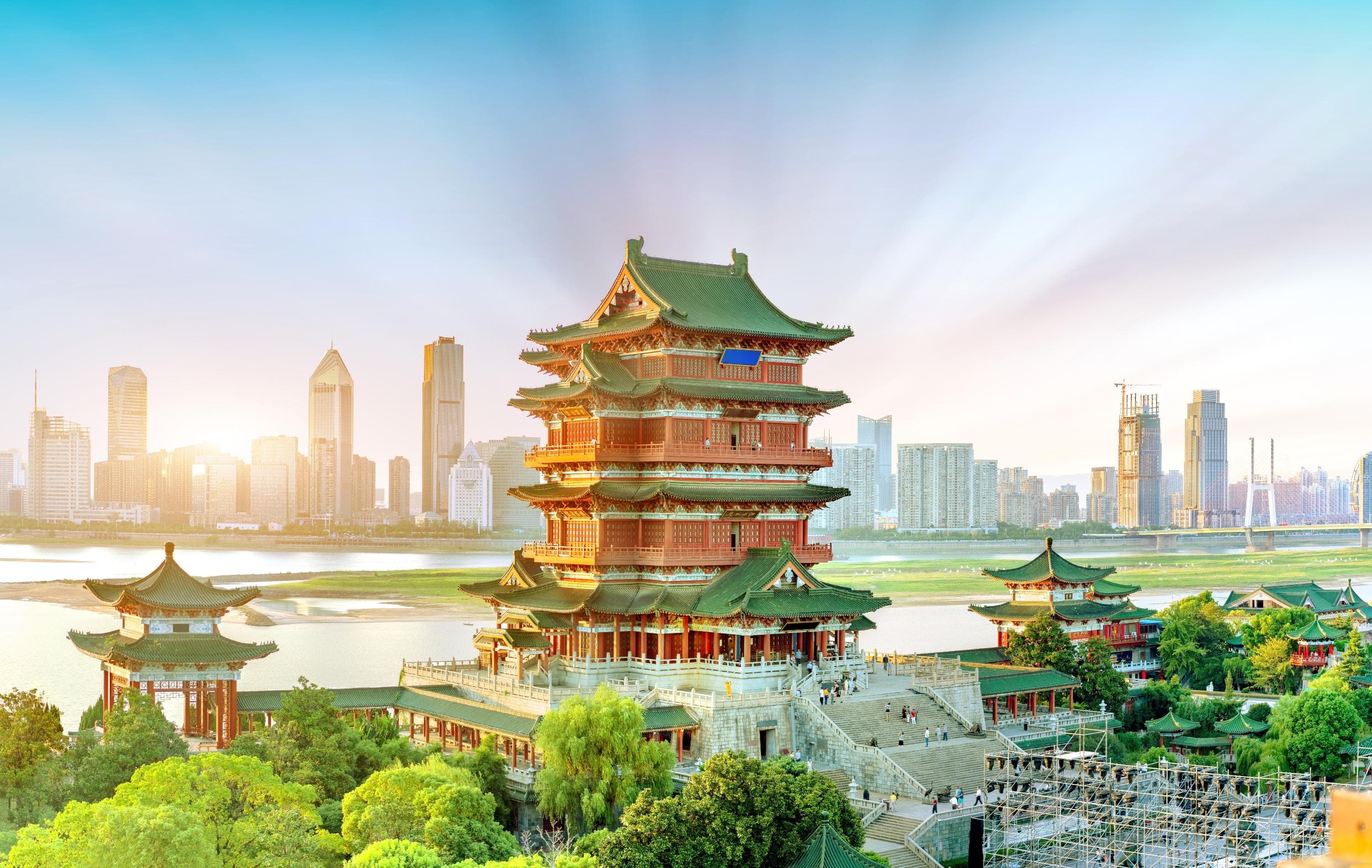
Tengwang Pavilion is a historically significant landmark in Nanchang, renowned as one of the 'Three Famous Towers in Jiangnan.' Although the current structure is a modern reconstruction, it faithfully embodies the architectural style and cultural spirit of its predecessors, making it a vital site for understanding Chinese heritage, particularly the literary legacy associated with Wang Bo's famous 'Tengwang Pavilion Preface.'
Visitors consistently praise the pavilion's stunning views, especially at sunset and night, when the illuminated structure and the Ganjiang River create a breathtaking spectacle. Many reviewers highlight the profound cultural experience, noting the opportunity to connect with ancient poetry and history. The interior exhibits, including murals and historical explanations, are frequently mentioned as enriching the visit. The performances, often held in the evenings, are also highly regarded for adding to the cultural immersion.
To make the most of your visit, it is highly recommended to arrive in the late afternoon to experience both the daytime views and the spectacular night illumination. Several visitors suggest taking a cruise on the Ganjiang River after visiting the pavilion to appreciate its grandeur from a different perspective. The scenic area is quite large, so comfortable walking shoes are advisable. While the main pavilion has multiple floors, some are 'dark floors' or dedicated to equipment, so focus on the viewing platforms for the best vistas. Tickets are available until 9:00 PM, with last admission at the same time, allowing ample opportunity for evening visits.
A common observation is that despite being a modern reconstruction, the pavilion can get very crowded, especially during peak hours or for night views. Reviewers note that queuing can be extensive. To mitigate this, consider visiting on a weekday or during off-peak times. While the historical significance is undeniable, some visitors feel that the modern reconstruction lacks the 'ancient' feel, which is a common sentiment for such rebuilt landmarks. However, the overall consensus remains overwhelmingly positive regarding the cultural value and visual appeal.