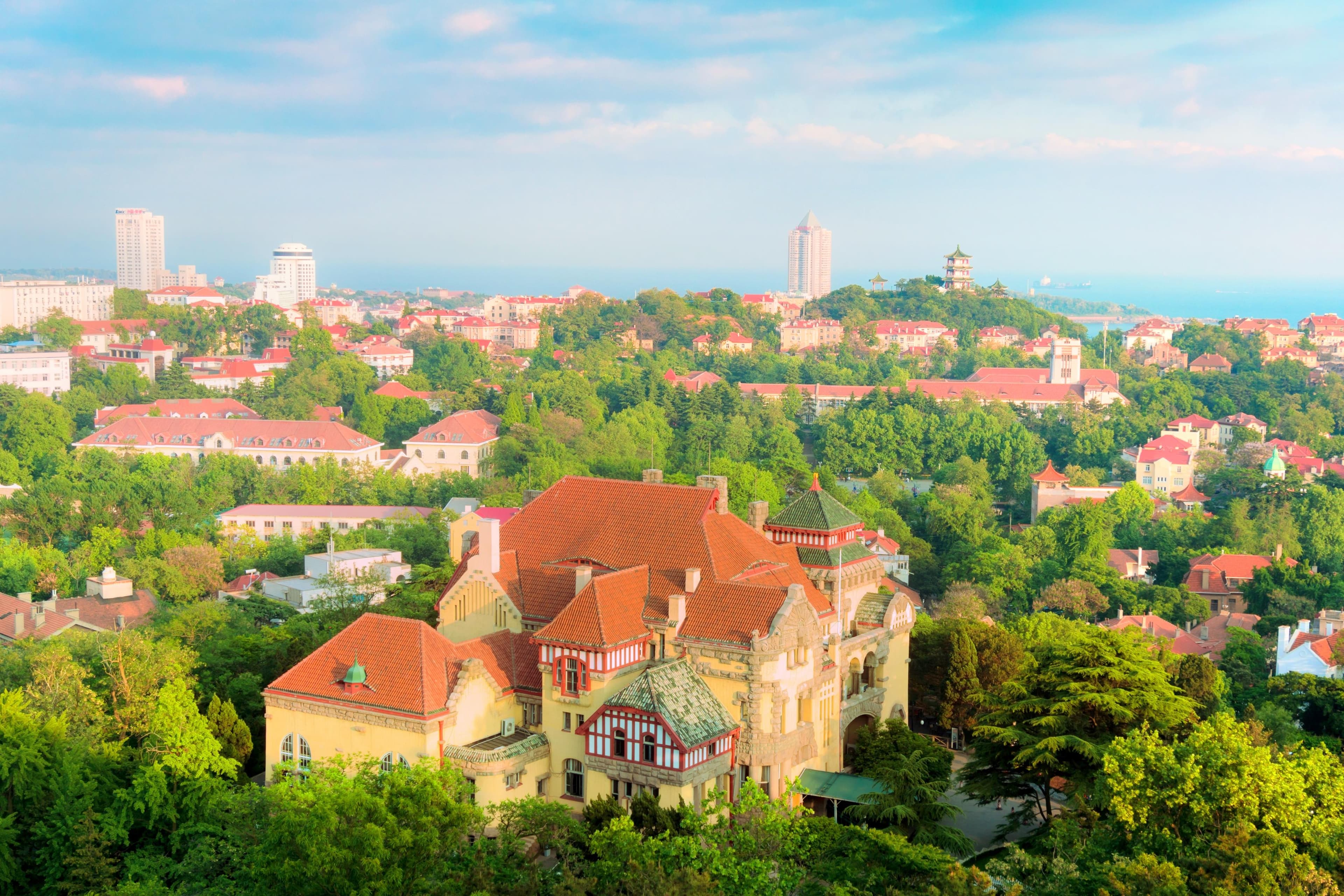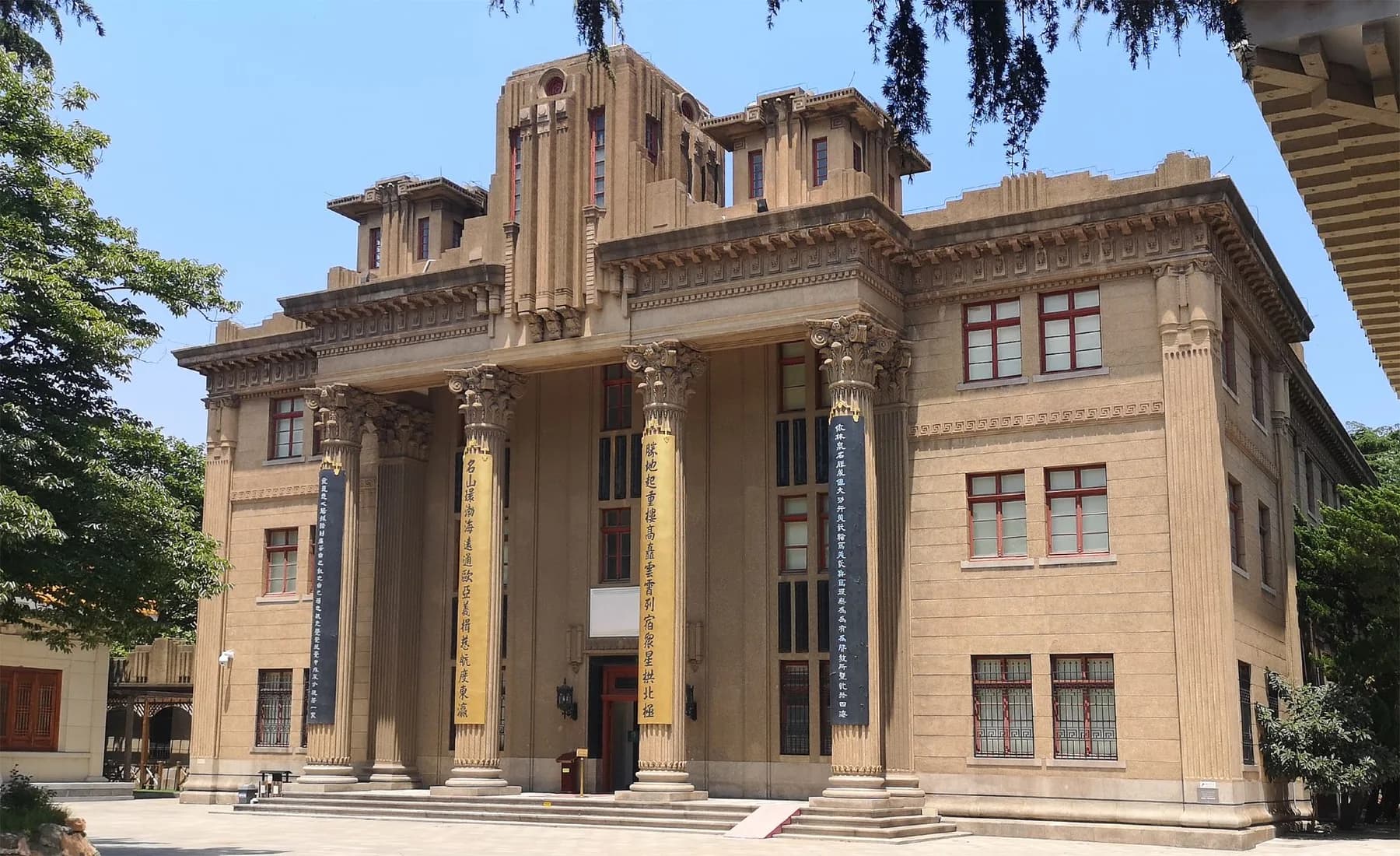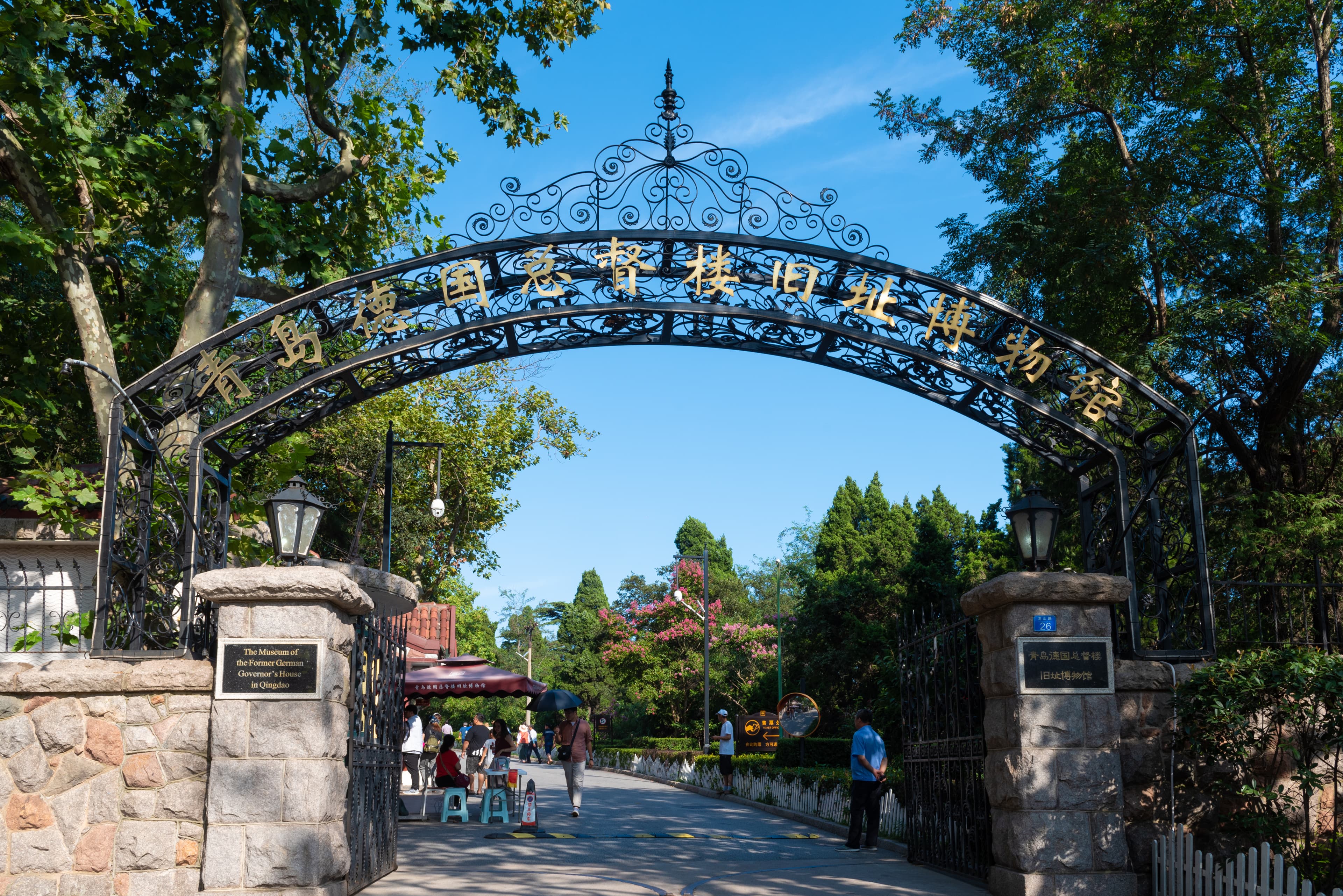
The Qingdao Site Museum of the Former German Governor's Residence, also known as Yingbin Hotel, is a striking example of German colonial architecture in China. Built between 1905 and 1907, this grand castle-style building served as the official residence for German governors and later hosted prominent Chinese leaders, including Chairman Mao Zedong. It stands as a testament to Qingdao's unique historical layers, blending European design with significant Chinese historical narratives.
Visitors frequently commend the museum for its well-preserved interiors, showcasing luxurious European furnishings and intricate design details like sliding windows and a food delivery system. Many are impressed by the blend of architectural styles, including Wilhelm-era German, Jugendstil, and even subtle Chinese elements. The historical depth is a major draw, with many appreciating the opportunity to see the rooms where historical figures like Chairman Mao stayed, complete with original items like a grand piano with ivory keys and a working table clock. Reviewers often describe the building as magnificent, elegant, and full of historical feeling, making it a highly recommended stop for those interested in architecture and history.
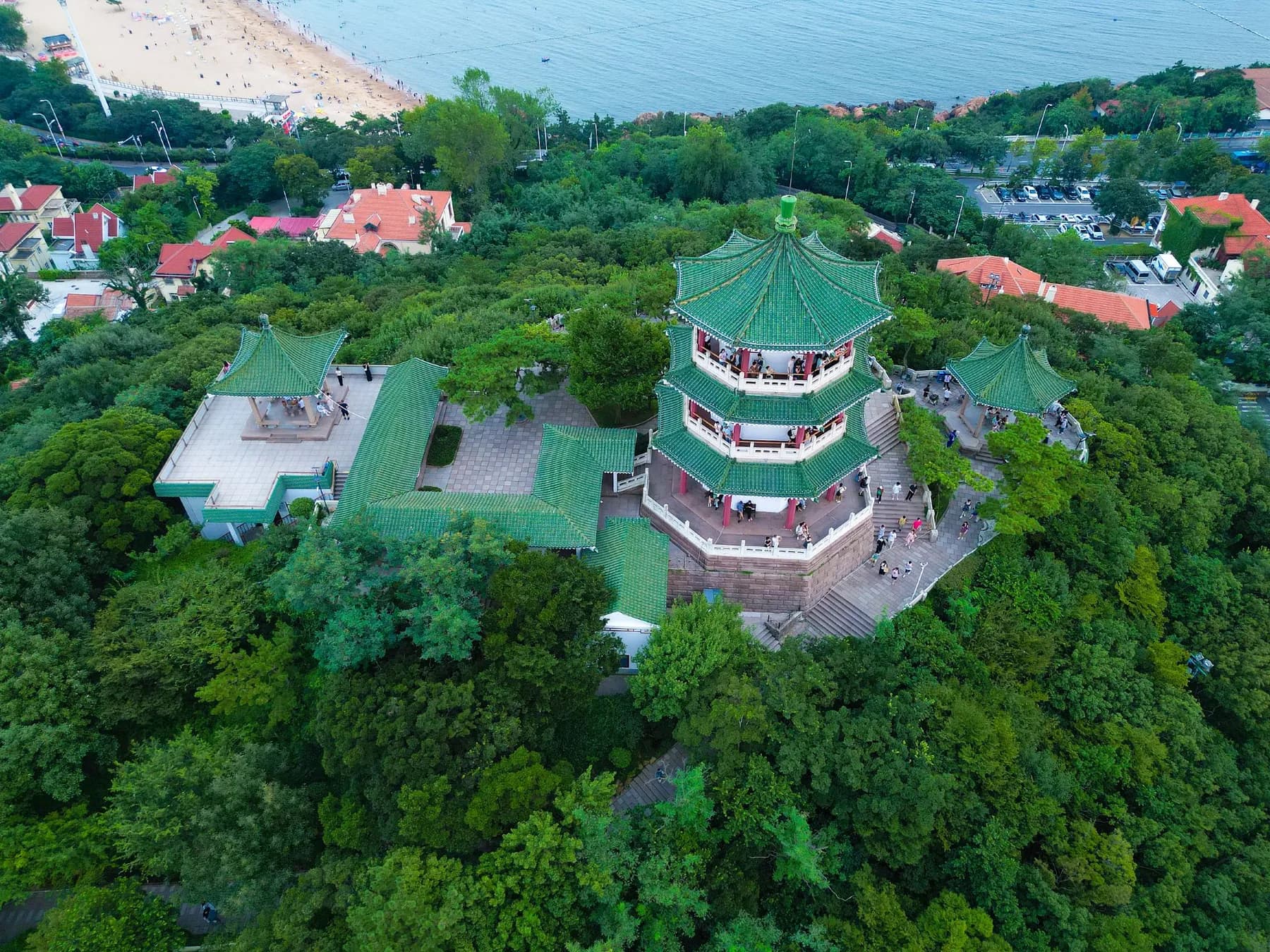
To make the most of your visit, plan for 1-2 hours. The museum is located at the southern foot of Signal Hill, making it convenient to combine with a visit to the park for panoramic views. Many visitors suggest arriving earlier in the day to avoid crowds, especially during peak season. The ticket price of 20 yuan is considered excellent value, with discounts available for minors and the elderly. While photography is generally not allowed inside the main building, the exterior and surrounding gardens offer ample photo opportunities. Consider hiring a guide or utilizing the information provided to fully appreciate the architectural nuances and historical context, as some visitors noted that explanations enhance the experience.
A common point of feedback is the restriction on indoor photography, which some visitors find limiting. To mitigate this, focus on appreciating the details in person and capturing the impressive exterior. While the museum is generally well-maintained, some visitors mentioned that certain interactive elements, like the TV in the basement, are not always operational. Despite these minor issues, the overwhelming sentiment is that the museum offers a rich and rewarding historical experience.