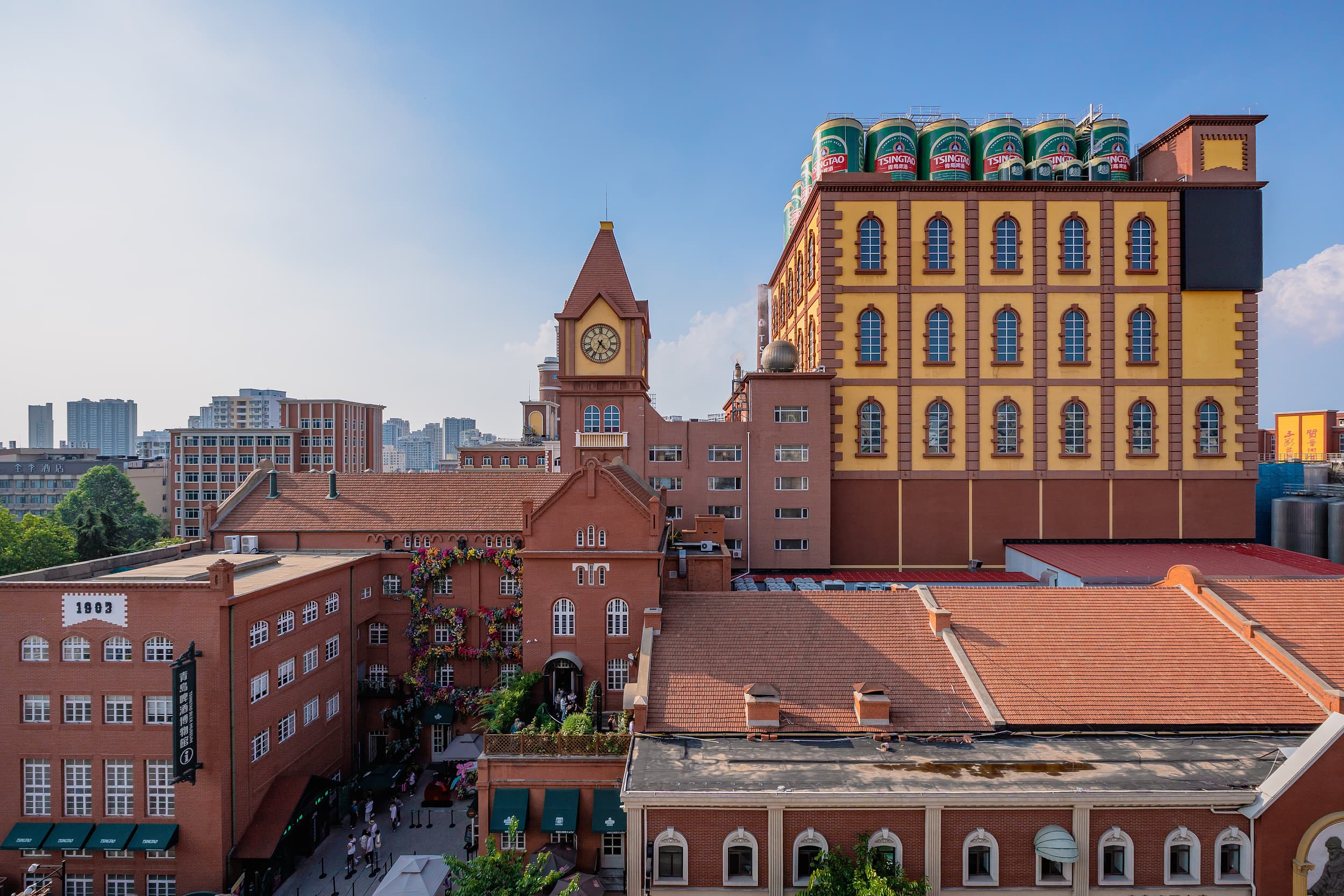
The Tsingtao Beer Museum, housed in the original 1903 German-style brewery, is China's first professional beer museum and a national first-class museum. It serves as a living industrial heritage site, showcasing the century-long history and evolution of Tsingtao Beer, which is deeply intertwined with the city of Qingdao itself. Visitors can trace the journey from early German equipment to modern production lines, understanding the cultural significance of this iconic brand.
What consistently stands out for visitors is the immersive and interactive nature of the museum. Many reviewers highlight the included beer tastings—typically two glasses of fresh raw beer and pure raw beer, often accompanied by beer beans—as a major highlight. The opportunity to taste freshly brewed beer directly from the source is frequently described as a memorable experience. The museum is divided into Hall A, focusing on history and achievements, and Hall B, which showcases the brewing process and offers interactive elements like the "drunk cabin." Reviewers often note that even those who don't typically enjoy museums or beer find the experience engaging due to these interactive displays and the overall atmosphere.
For practical advice, visitors recommend purchasing tickets online to save time, though student discounts are available at the entrance. Many suggest opting for a guided tour, as guides (often identified by numbers like 2006, 2010, 2011, 2019) are praised for their professional knowledge, humor, and ability to make the history come alive. The museum is easily accessible by subway (Guangrao Road Station, Exit C). Plan for at least 2-3 hours to fully explore both halls and enjoy the tastings. Arriving early, especially on public holidays, is advised to avoid crowds. Don't miss the opportunity to try beer ice cream or other beer-related snacks available.
While generally highly rated, some visitors mention that the museum can get very crowded, especially during peak seasons or public holidays, which might detract from the experience. To mitigate this, consider visiting on a weekday or during off-peak hours. Another common observation is the commercialized aspect, with various peripheral products for sale. However, most reviewers feel that the unique experience and historical value still make it a worthwhile visit despite the commercial elements.