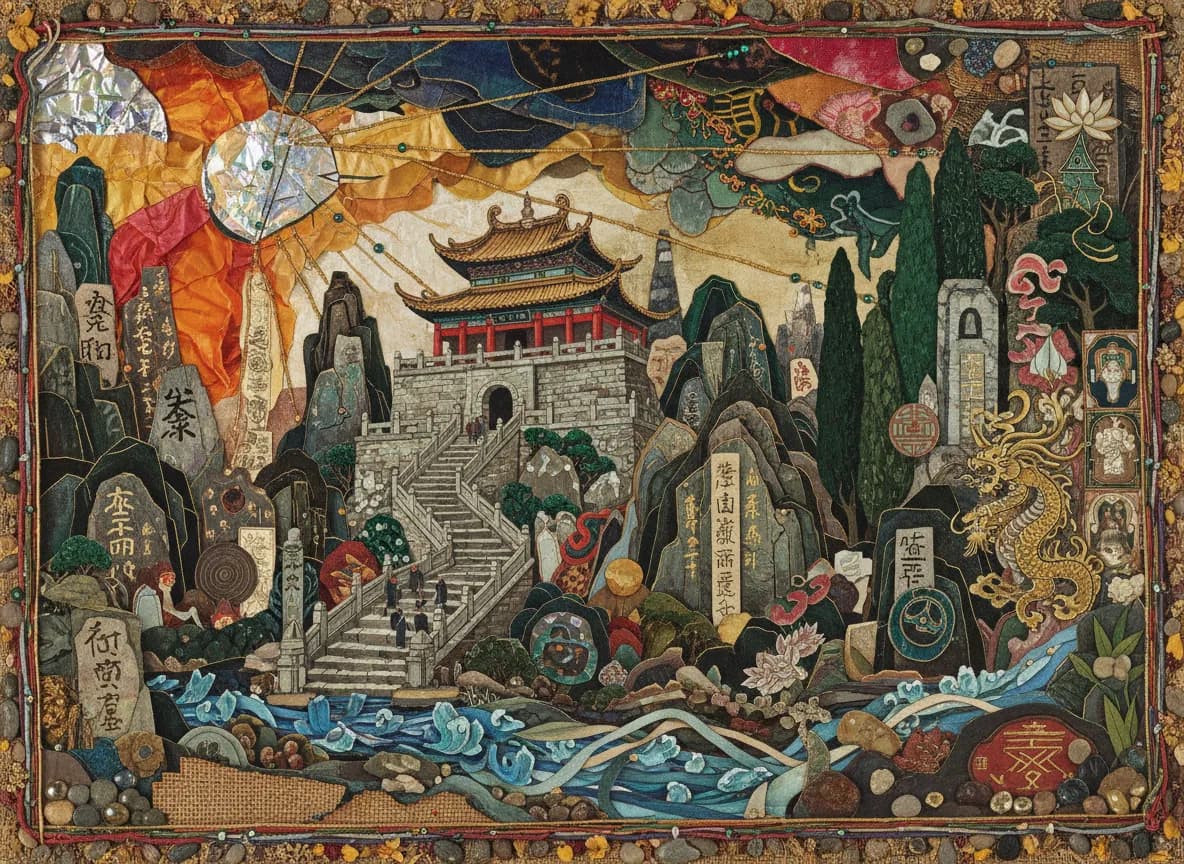
Mount Taishan, often called the "King of the Five Sacred Mountains," is not just a mountain but a living testament to China's rich history and spiritual traditions. As a UNESCO World Heritage site, it has served as a place of imperial pilgrimage and worship for millennia, embodying the concept of "harmony between man and nature." Its significance is deeply rooted in Chinese civilization, with emperors performing Fengshan ceremonies here to pay tribute to heaven and earth. Visitors come to experience this profound cultural legacy alongside its stunning natural beauty.
Many visitors highlight the unparalleled experience of watching the sunrise from the summit, often after a challenging night climb. The "sea of clouds" phenomenon is another frequently praised natural spectacle. Reviewers consistently note the well-maintained paths and the sense of accomplishment upon reaching the top. The cultural elements, such as ancient temples, inscriptions, and the historical routes, are also highly valued, with many suggesting taking time to appreciate these details. The mountain's status as a dual cultural and natural heritage site is a recurring theme in positive feedback, emphasizing its unique blend of attractions.
For practical advice, numerous reviewers recommend starting the climb from Hongmen if you wish to experience the full historical route and see the cultural sites along the way. If time is limited or traveling with children, taking a bus from Tianwai Village to Zhongtianmen and then a cable car to Nantianmen is a popular and faster alternative. Many suggest bringing trekking poles, especially for the steeper sections like Shibapan, and packing layers of clothing as temperatures at the summit can be significantly colder, even in warmer months. For those planning a night climb for the sunrise, essential items include a power bank, snacks, and a flashlight (though often not strictly necessary due to other climbers' lights). Staying overnight on the mountain is also an option to experience both sunset and sunrise.
Common complaints often revolve around the physical difficulty of the climb, with many acknowledging that their legs will be sore afterward. To mitigate this, visitors advise pacing oneself, taking breaks, and utilizing the bus and cable car options. Some also mention the crowds, especially during holidays; visiting on a weekday or during off-peak seasons is recommended for a more tranquil experience. While some find the scenery less dramatic than other mountains, they emphasize that Taishan's true value lies in its profound cultural and historical significance, which should be the primary focus of the visit rather than solely natural aesthetics.