How a slaughterhouse in Shanghai was transformed into restaurants, shops, and offices 🇨🇳
An incredible example of revitalization — a slaughterhouse that was turned into a space for events, offices, and restaurants. On weekends, it’s taken over by photographers and models.
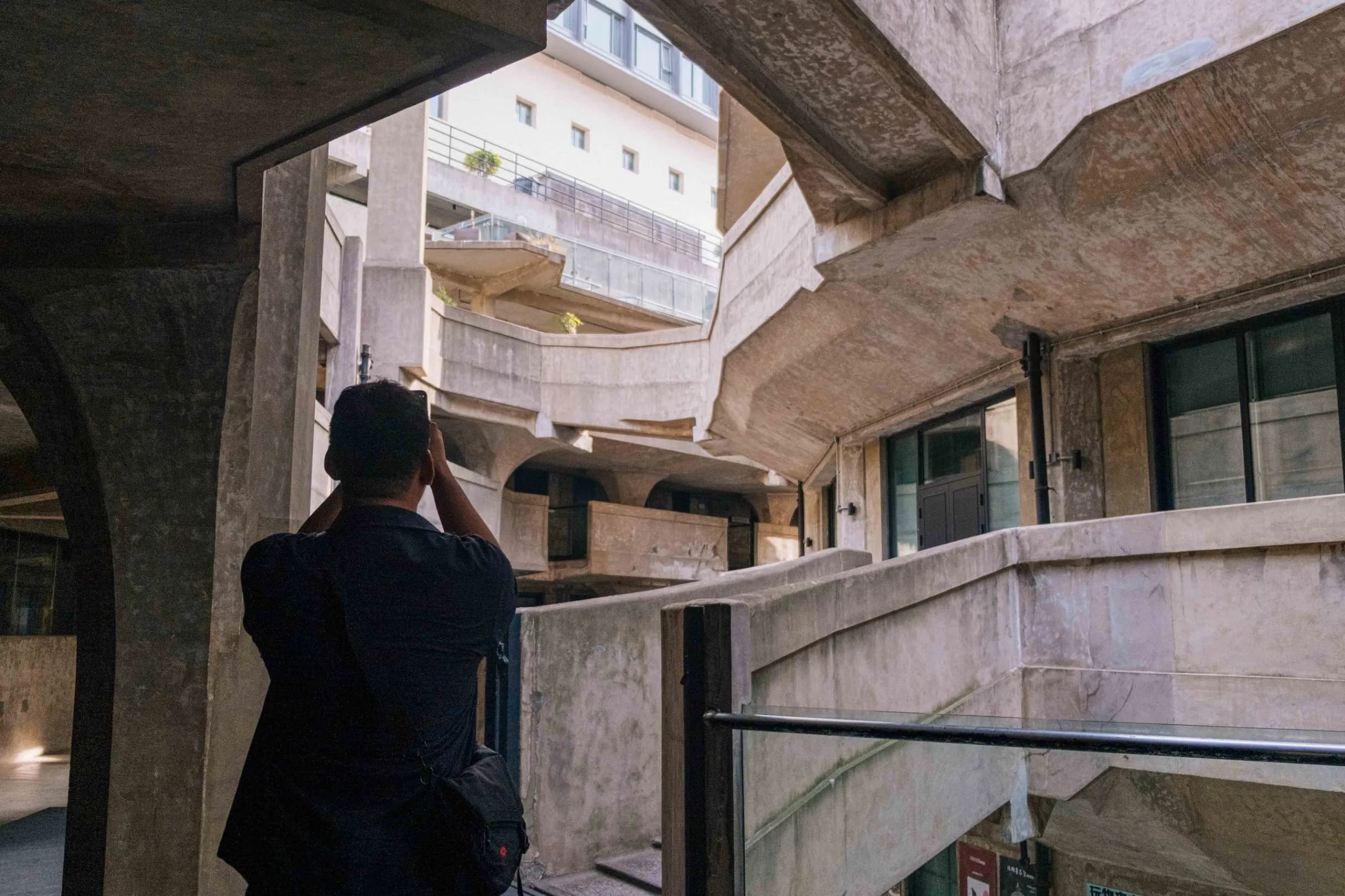
The concrete slaughterhouse was built in 1933. Despite its utilitarian purpose and technical details — such as grooves in the floor to prevent livestock from slipping on ramps, blood channels, and places where slaughterers could hide — the building is also rich in architectural elements. The façade is Art Deco, with elegant columns, and the interior features concrete modernism with intricate interwoven lines.
In 2002, the building fell out of use and was abandoned. That same year, however, it was designated an architectural landmark and its function was reimagined. In 2018, the slaughterhouse reopened as a multifunctional space with cafés and restaurants on the ground floor, event venues, shops, and offices for various creative professionals.
Address: 1933 Old Millfun (老场坊) — 10 Shajing Road
Fun fact — the word “millfun” doesn’t exist in the English language. It’s a distinctive piece of Chinese branding, combining “mill” (not only a mill, but more broadly an industrial building with machinery) and “fun” (entertainment).
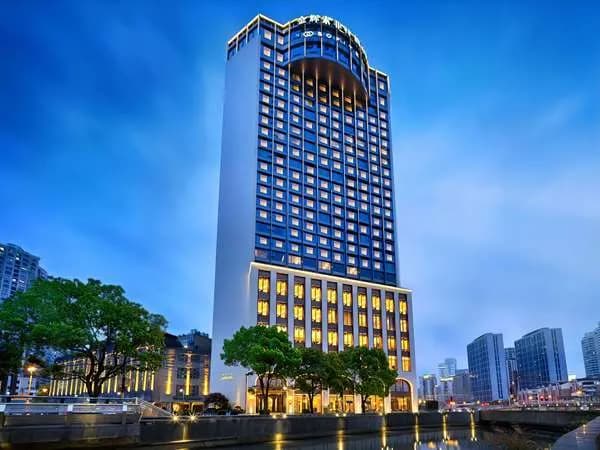
Directly adjacent to the former slaughterhouse is the Sofitel North Bund hotel, which opened at the end of 2024. The 25-story building was fully renovated and enhanced with Art Deco and neoclassical elements (such as arched windows and an elaborately decorated entrance).