Historical Overview
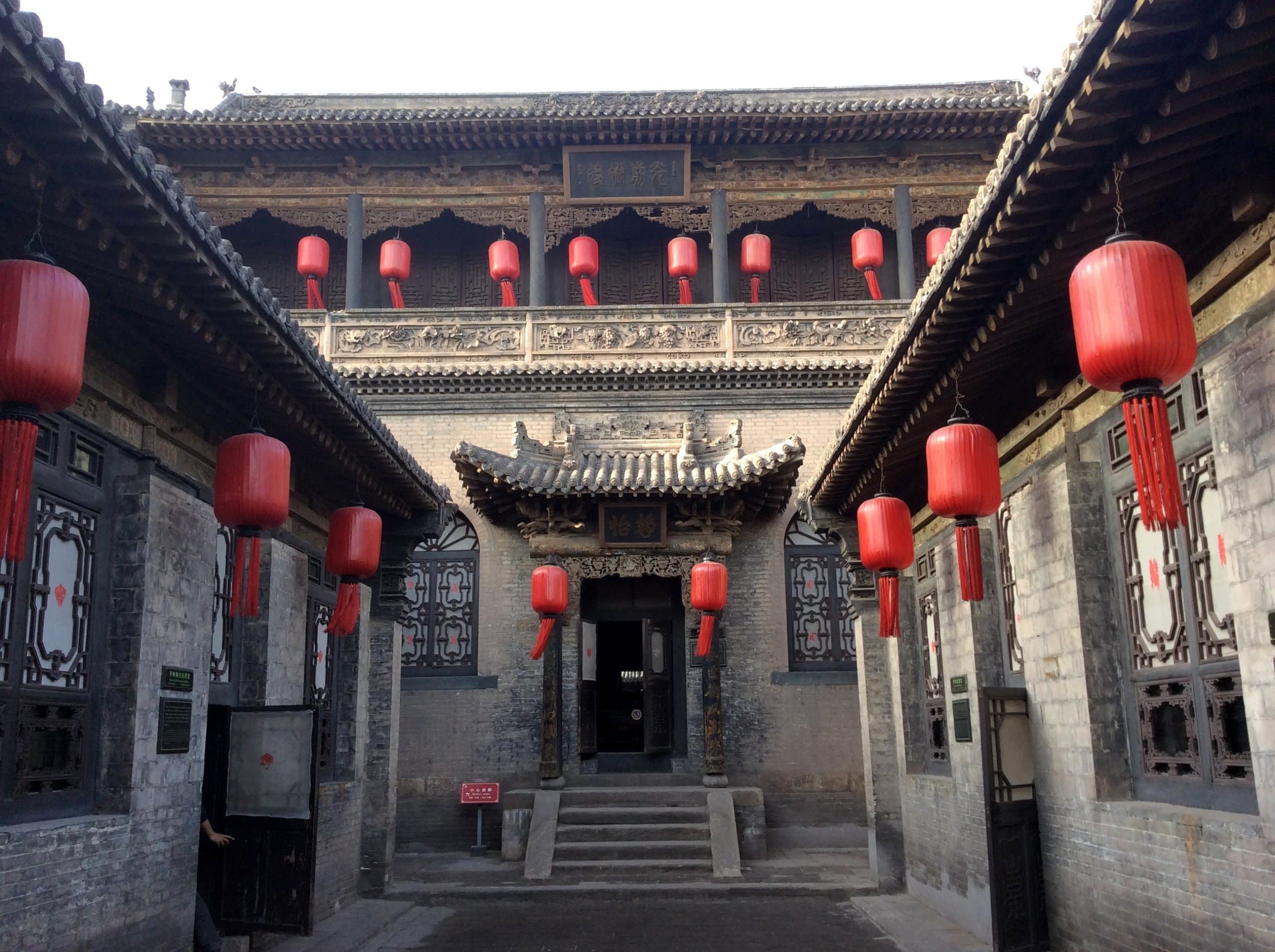
The Qiao Family Compound, built in 1756 during the Qianlong period of the Qing Dynasty, represents one of China's finest examples of northern courtyard architecture. This magnificent complex was constructed by the wealthy merchant Qiao Zhiyong, whose family became one of the most influential Shanxi merchant clans during the Ming and Qing dynasties. The compound spans 4,175 square meters with 313 rooms arranged in six large courtyards containing 20 smaller courtyards, all designed in the auspicious shape of a double-happiness (囍) character.
Architectural Splendor
The architecture showcases the pinnacle of Qing Dynasty residential design, featuring exquisite stone carvings, intricate wooden latticework, and traditional decorative elements that reflect the family's values and social status. The entire complex is surrounded by a fully enclosed blue brick wall over 10 meters high, with a city gate-style main entrance. Each courtyard reveals careful attention to symmetry, balance, and feng shui principles, creating a harmonious living environment that seamlessly blended business and family life.
Visitor Experience
Walking through the compound, visitors can admire original period furniture, fixtures, and artifacts that offer glimpses into the daily life of a wealthy merchant family. The site gained international fame as the filming location for Zhang Yimou's acclaimed film 'Raise the Red Lantern,' which adds to its cultural significance. Many visitors dress in traditional costumes for photo opportunities, enhancing the immersive historical experience. The compound also displays plaques and gifts left by Empress Dowager Cixi when she took refuge here.
Practical Considerations
The site requires 2-3 hours for a thorough visit and involves considerable walking, so comfortable shoes are essential. The compound can get very crowded, especially during peak seasons, which may affect the quality of photos and overall experience. Parking is located about 1km from the entrance with limited shade. No restrooms are available inside the complex. Hiring a professional guide is recommended to fully appreciate the historical significance and architectural details.