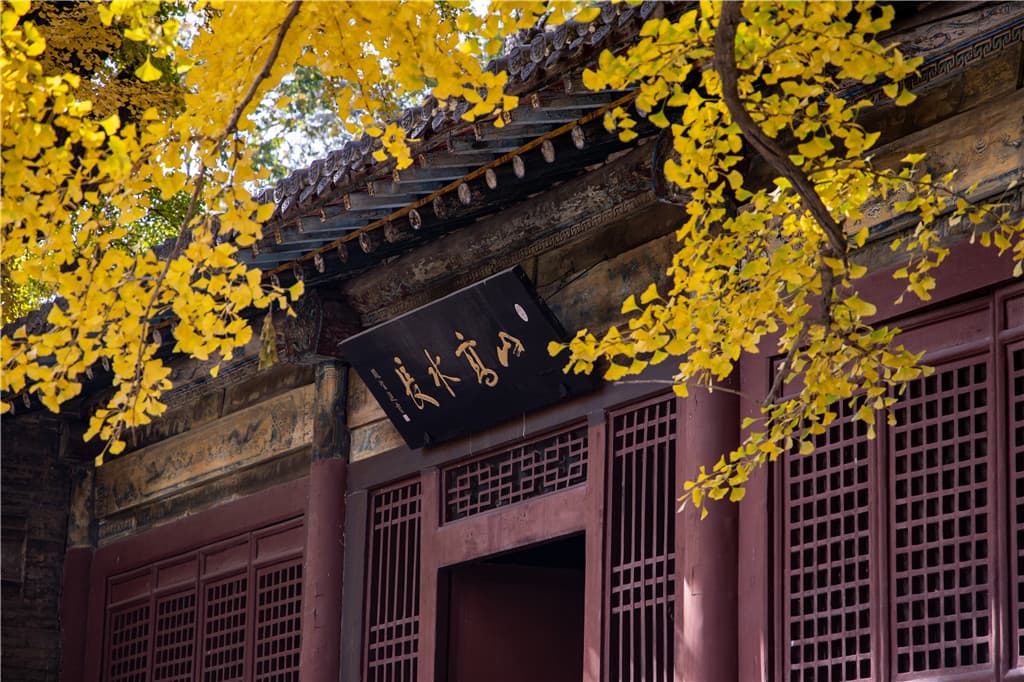
Jinci Museum, often referred to as Jinci Temple, is China's earliest existing royal sacrificial garden and ancestral temple, commemorating Tang Shuyu, the founding feudal lord of the Jin State. It is a living museum, showcasing architectural styles from the Song, Jin, Yuan, Ming, and Qing dynasties, making it a crucial site for understanding ancient Chinese architectural evolution and cultural heritage.
Visitors consistently highlight the 'Three Treasures' (Xian Hall, Flying Bridge Across Fish Pond, and Shengmu Hall) and 'Three Wonders' (Zhou-bai cypress, Nanlao Spring Pavilion, and painted clay sculptures) as must-sees. The Shengmu Hall, in particular, is admired for its Song Dynasty architectural style and the intricate wooden coiled dragons on its pillars. Many reviewers emphasize the profound sense of history and the beautiful, expansive garden setting, often comparing it to a 'southern garden' due to its water features and lush greenery. The site's unique blend of natural landscapes and ancient structures creates a serene and immersive experience.
To make the most of your visit, plan for 3-5 hours. While the Jinci Park entrance is free, the main Jinci Museum area requires a ticket. Reviewers advise taking a shuttle bus if available, as the complex is large. Public transportation to Jinci can be time-consuming, so consider combining it with a visit to Taiyuan Ancient County for a full day trip. Arriving early is recommended, especially if driving, as parking can become difficult later in the day. Hiring a professional guide is highly recommended by many visitors to fully appreciate the historical and architectural details.
A common point of confusion for visitors is the distinction between Jinci Park and Jinci Museum; the museum is located within the park and is the ticketed area. Some older reviews mention issues with the preservation of cultural relics, such as statues covered in dust or murals peeling, though more recent reviews focus on the grandeur of the architecture. Be aware that the museum is an open-air complex, not a traditional indoor museum, which can be a surprise for some.