What This Place Is and Why It Matters
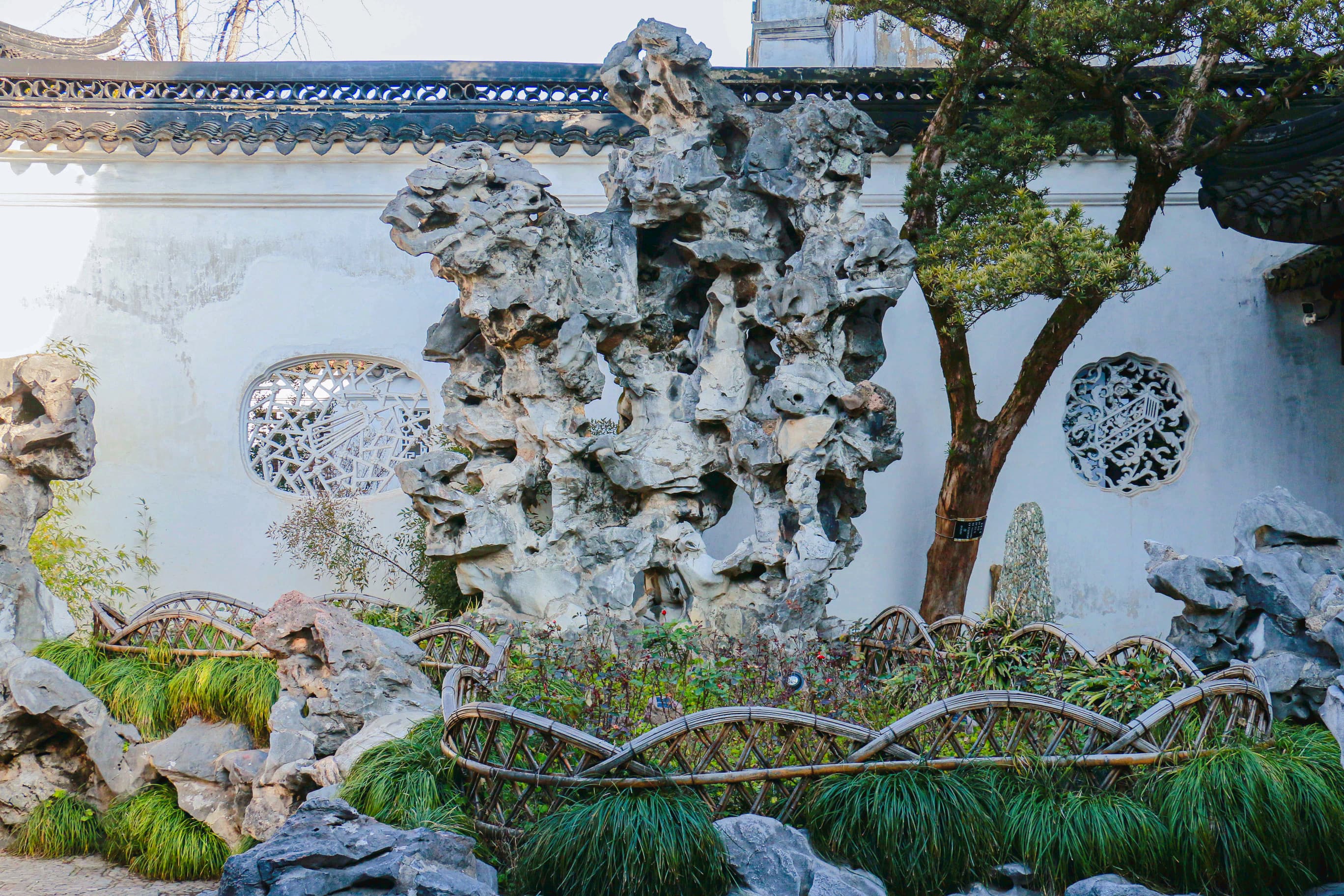
Lion Grove Garden (Shizilin) is one of China's four most celebrated classical gardens and a UNESCO World Heritage site, built in 1342 during the Yuan Dynasty as a Buddhist temple retreat. Unlike the more famous Humble Administrator's Garden, Lion Grove is distinguished by its extraordinary rockery—a complex maze of 72 interconnected caves carved from Taihu stones (prized for their thin, porous, and transparent qualities). The garden's name derives from the lion-shaped stone formations that dominate the landscape. Historically treasured by Emperor Qianlong, who visited six times during his seven southern tours and left inscriptions praising its beauty, the garden represents the pinnacle of Yuan Dynasty garden design philosophy: using rocks to express Zen concepts of enlightenment and the transcendence of worldly desire.
What Visitors Consistently Praise and Common Experiences
Visitors overwhelmingly highlight the rockery maze as the garden's defining feature and primary draw. Multiple reviewers describe the experience as genuinely maze-like, with winding stone passages that create a sense of discovery and disorientation—some note walking the same area three times without exhausting its complexity. The garden appeals strongly to children, who delight in crawling through and exploring the stone caves, while adults appreciate the sophisticated spatial design: every Taihu stone, moon gate, and corridor window frames a constantly shifting view, allowing visitors to spend 1–2 hours without boredom despite the garden's modest 1.1-hectare size. Reviewers frequently compare it favorably to the larger and more famous Humble Administrator's Garden, noting that Lion Grove offers superior value (40 yuan vs. 80 yuan), more engaging interactive elements, and arguably more beautiful scenery. The garden's seasonal beauty is also noted—spring plum blossoms, summer greenery, and autumn foliage each transform the space. Staff courtesy and the garden's proximity to Suzhou Museum and Humble Administrator's Garden (allowing a combined day visit) are additional positives.
Practical Advice Based on Visitor Experience
Arrive early (7:30 AM opening) to avoid crowds, especially during peak seasons (spring, autumn, and national holidays). Admission ends at 5:00 PM (Nov–Feb) or 5:30 PM (Mar–Oct), so plan accordingly. The 40-yuan ticket is best purchased on-site; online reservations are not required. Wear comfortable walking shoes with good grip, as the stone paths can be slippery when wet and the rockery exploration involves climbing and navigating uneven surfaces. Bring a camera—the garden is highly photogenic, with every corner offering composition opportunities. Allow 1.5–2 hours for a thorough visit; rushing through misses the garden's contemplative design. Visitors recommend renting an interpreter or downloading a guide app to understand the philosophical significance of the design and the names of key structures (Yanyu Hall, Nine Lions Peak, True Fun Pavilion, etc.). The garden is compact enough to navigate without getting lost, but the rockery maze can be genuinely confusing—this is intentional and part of the charm. Combine your visit with Suzhou Museum (free, nearby) and Humble Administrator's Garden on the same day for a comprehensive classical garden experience. Visit in late winter or early spring (Feb–Mar) or autumn (Sep–Oct) for the best weather and fewer crowds than summer or national holidays.
Common Complaints and Mitigation
The primary complaint is overcrowding, especially during national holidays and weekends, with some reviewers noting queues at the entrance comparable to Spring Festival travel. The rockery maze, while engaging, can be physically demanding for elderly visitors or those with mobility issues—the stone passages involve climbing, ducking, and navigating narrow spaces. Some visitors report feeling dizzy after extended exploration of the complex. To mitigate: visit on weekday mornings, avoid national holidays (May 1–5, Sep 25–27, Oct 1–7), and assess your physical comfort level before committing to deep rockery exploration. The garden's small size means it can feel crowded even with moderate visitor numbers.