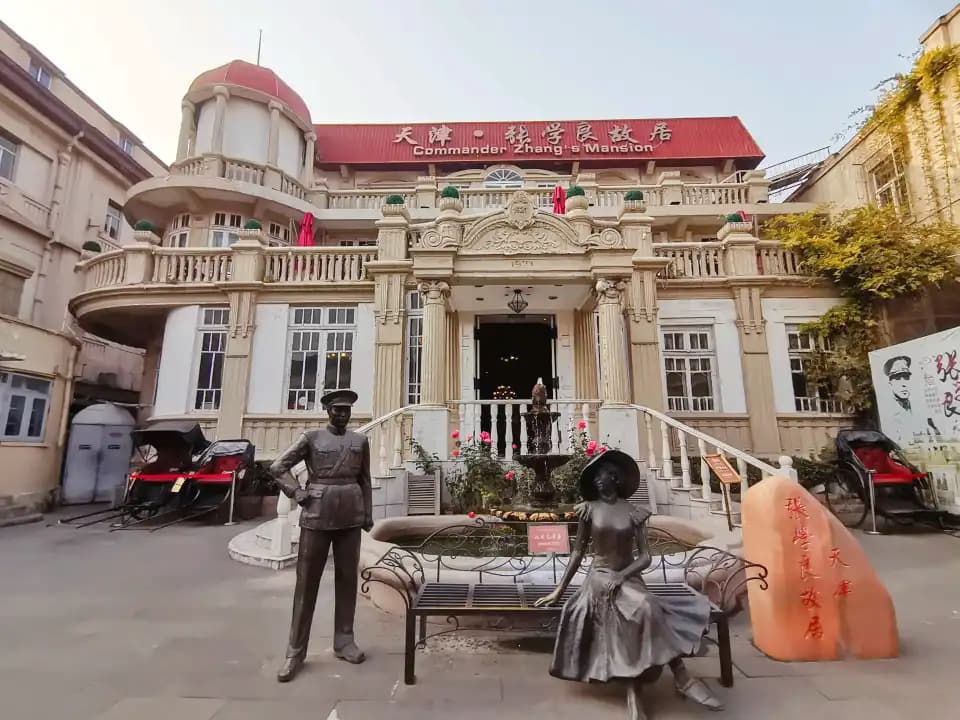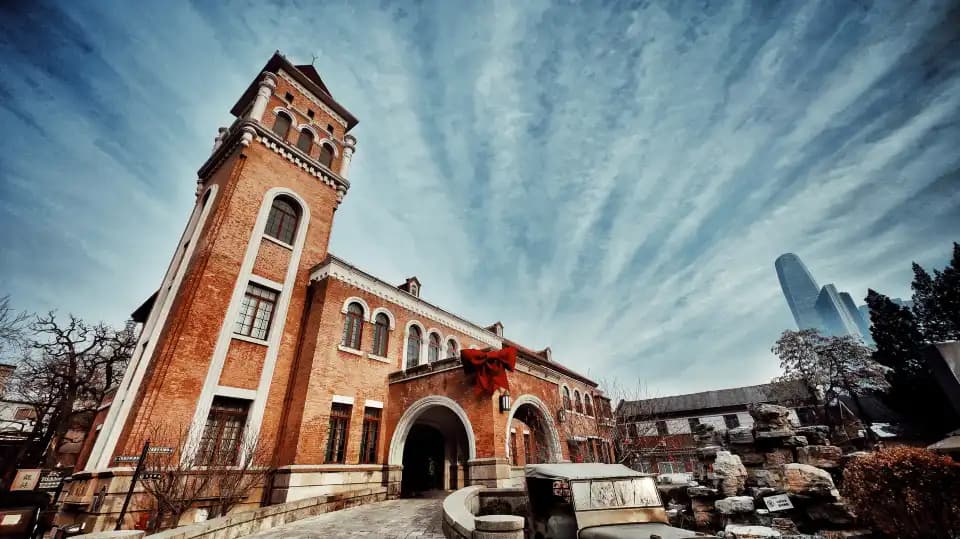
Five Avenues, or Wudadao, is a historic Tianjin neighbourhood within the former British concession. Its early twentieth-century villas and town houses feature red brick, tiled roofs, balconies and small gardens behind railings. The name covers a whole network of streets, so visiting means more than following five avenues in sequence. It is a useful introduction to the city, particularly if you enjoy architecture and the everyday life of older neighbourhoods. Do not expect to enter every house: many remain homes, offices or restaurants, rather than museums open to visitors.
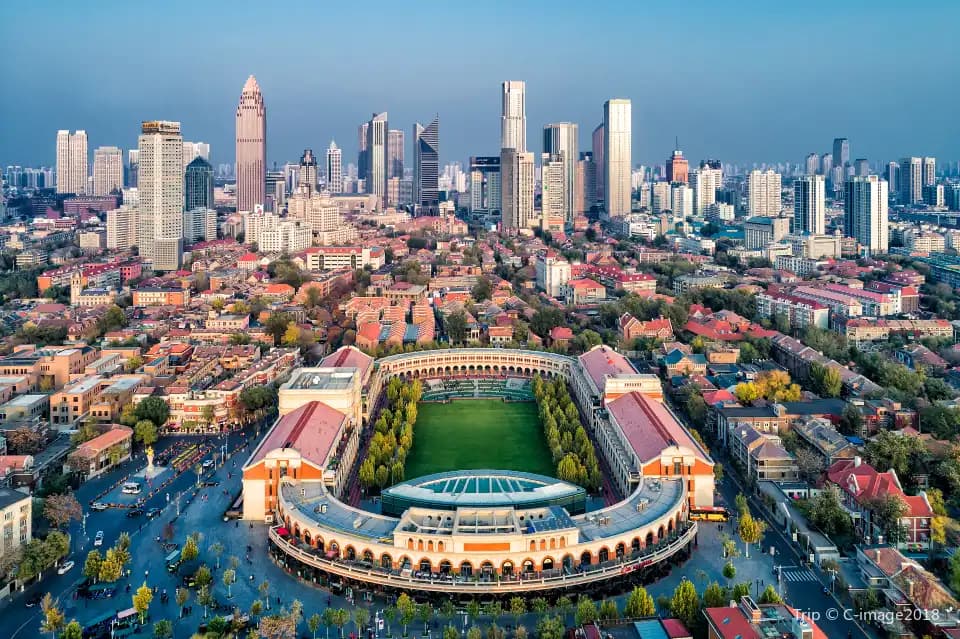
An easy starting point is Minyuan Square and the visitor centre on Chongqing Road. The former stadium, with its oval green field and arcades, is now a gathering place; reviews often mention children playing, residents relaxing and cafés nearby. Choose a few surrounding streets, such as Chongqing, Munan and Dali roads, then return to the square for a break. Trying to cover the entire district in an hour is unrealistic. Visitors recommend reading the plaques on the houses: knowing something about their former residents makes the succession of attractive façades much more engaging.
Walking makes it easy to stop at individual houses and photograph architectural details. A bicycle covers more ground, although you will need to dismount on pedestrian sections and busy stretches. Horse-drawn carriages and sightseeing tricycles save energy, but reviews of the commentary vary: some visitors enjoyed detailed stories, while others describe a hurried circuit without useful stops. Before paying, agree on the route, duration, language and opportunities to get off for photographs. Old review prices are not current tariffs. If interpretation matters, consider a separate guided walk and confirm its language before booking.
Spring brings visitors for the flowering crabapple trees on Dali Road, while autumn offers colourful foliage and cooler walking weather. Blossom timing varies, and reviews across several years describe heavier crowds during holidays and festivals. Choose a weekday morning for a quieter look; in summer, go later in the day and take breaks. Daylight is better for examining the buildings, with a return to Minyuan towards evening for illuminated surroundings and lively cafés. Bring water in hot weather: visitors who tried to walk the whole area found the distances tiring, even when they enjoyed the architecture.
Allow two to three hours for selected streets and a break at Minyuan, or half a day with a house visit and lunch. Public streets are free and accessible around the clock; museums, individual residences and tours have separate hours and charges. Choose your metro station to suit the route: Xiaobailou works for the eastern side, and Yingkoudao for an approach from the north. Reviews flag awkward parking, persistent ride offers and high prices at some restaurants, so check menus before ordering. A phone translator helps with information plaques; respect closed courtyards and occupied houses while exploring the neighbourhood.