China Trip MapChina Trip Map
MapGuidesTransporteSIM
China Trip MapChina Trip Map

Provinces, Municipalities & Autonomous Regions

Anhui ProvinceBeijing MunicipalityChongqing MunicipalityFujian ProvinceGansu ProvinceGuangdong ProvinceGuangxi Zhuang Autonomous RegionGuizhou ProvinceHainan ProvinceHebei ProvinceHeilongjiang ProvinceHenan ProvinceHubei ProvinceHunan ProvinceInner Mongolia Autonomous RegionJiangsu ProvinceJiangxi ProvinceJilin ProvinceLiaoning ProvinceMacau SARNingxia Hui Autonomous RegionQinghai ProvinceShaanxi ProvinceShandong ProvinceShanghai MunicipalityShanxi ProvinceSichuan ProvinceTaiwanTianjin MunicipalityTibet Autonomous RegionXinjiang Uygur Autonomous RegionYunnan ProvinceZhejiang Province
© 2025-2026 www.chinatripmap.com
Archaeological Ruins of Liangzhu City
A-

Museum

Archaeological Ruins of Liangzhu City

良渚古城遗址

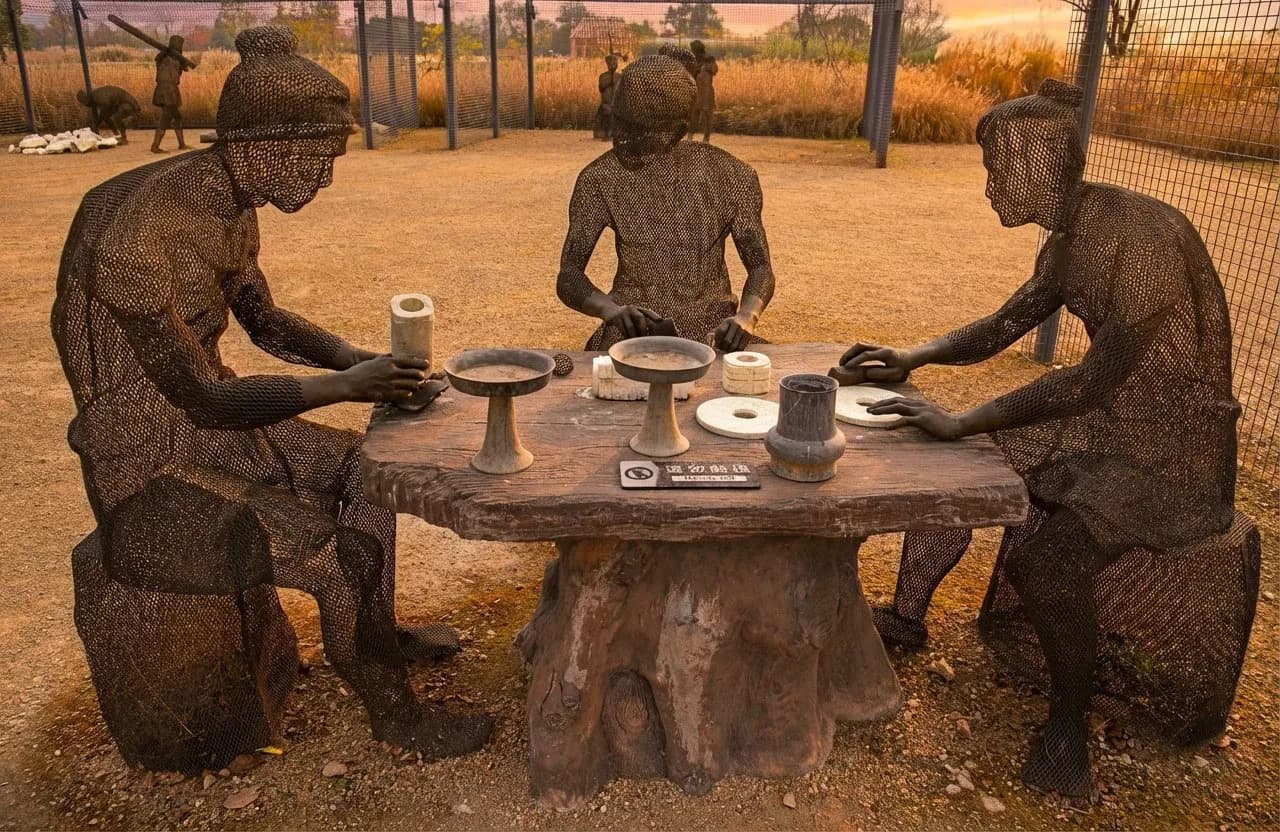
A sprawling Neolithic archaeological park and UNESCO World Heritage site that preserves a walled city, hydraulic works and ritual areas of the Liangzhu culture (c. 3300–2300 BCE). Visitors praise the empty, pastoral scenery and seasonal rapeseed blooms, but warn that the site is large and often requires a shuttle or rented scooter to explore comfortably.

Entry feeFrom US$7.97 (ticket prices listed on Trip.com; internal shuttle or scooter rental extra)
Recommended timeBest visited in spring for rapeseed blooms and milder weather; choose a weekday or a quieter day. Allocate 2–4 hours and opt for the park shuttle or rent an electric scooter if you want to cover more ground without tiring.
Address200 meters northwest of the intersection of Fengdu Road and 104 National Road, Pingyao, Yuhang District, Hangzhou, Zhejiang, China
Websitehttps://whc.unesco.org/en/list/1592/ →

The Archaeological Ruins of Liangzhu City are celebrated not just for their UNESCO status but for tangible traces of an early urban society: city walls, palatial areas and an ancient hydraulic system. Visitors consistently praise the sense of stepping back in time; several reviewers said walking the Mojiaoshan palace area felt like 'travelling through time' and helped them imagine the citys past prosperity.

Reviewers repeatedly note the park's size and rural character. Multiple guests recommend buying a sightseeing bus ticket or renting an electric scooter as 'walking around will be very tiring' and the shuttle is 'recommended for elderly people or children'. A common tip is to pick a day with fewer crowds and milder weather; one reviewer specifically planned for a quiet spring day and described the experience as 'fantastic'.

Scenery is a frequent highlight: visitors mention rapeseed flowers creating a golden sea in spring, long open roads, rolling farmland, blue skies and the 'aroma of rape blossoms'. Several reviewers were pleasantly surprised by wildlife sightings, noting sika deer in the Luyuan area. The south city wall also attracts attention: reviewers point out it showcases layered earthen walls dating to the Liangzhu period, which brings the site's archaeology to life.

Cover image of Archaeological Ruins of Liangzhu City
Collage cover for Archaeological Ruins of Liangzhu City

Constructive criticisms appear across reviews. A recurring complaint is the physical scale — without a shuttle or scooter the site can be exhausting. Another practical note from reviewers is that facilities and transport options are worth budgeting for: several suggest buying the park shuttle or renting an electric car for groups of three or four. Trip.com ticket listings show a paid entry (from US$7.97), so visitors should expect small costs for admission and optional internal transport.