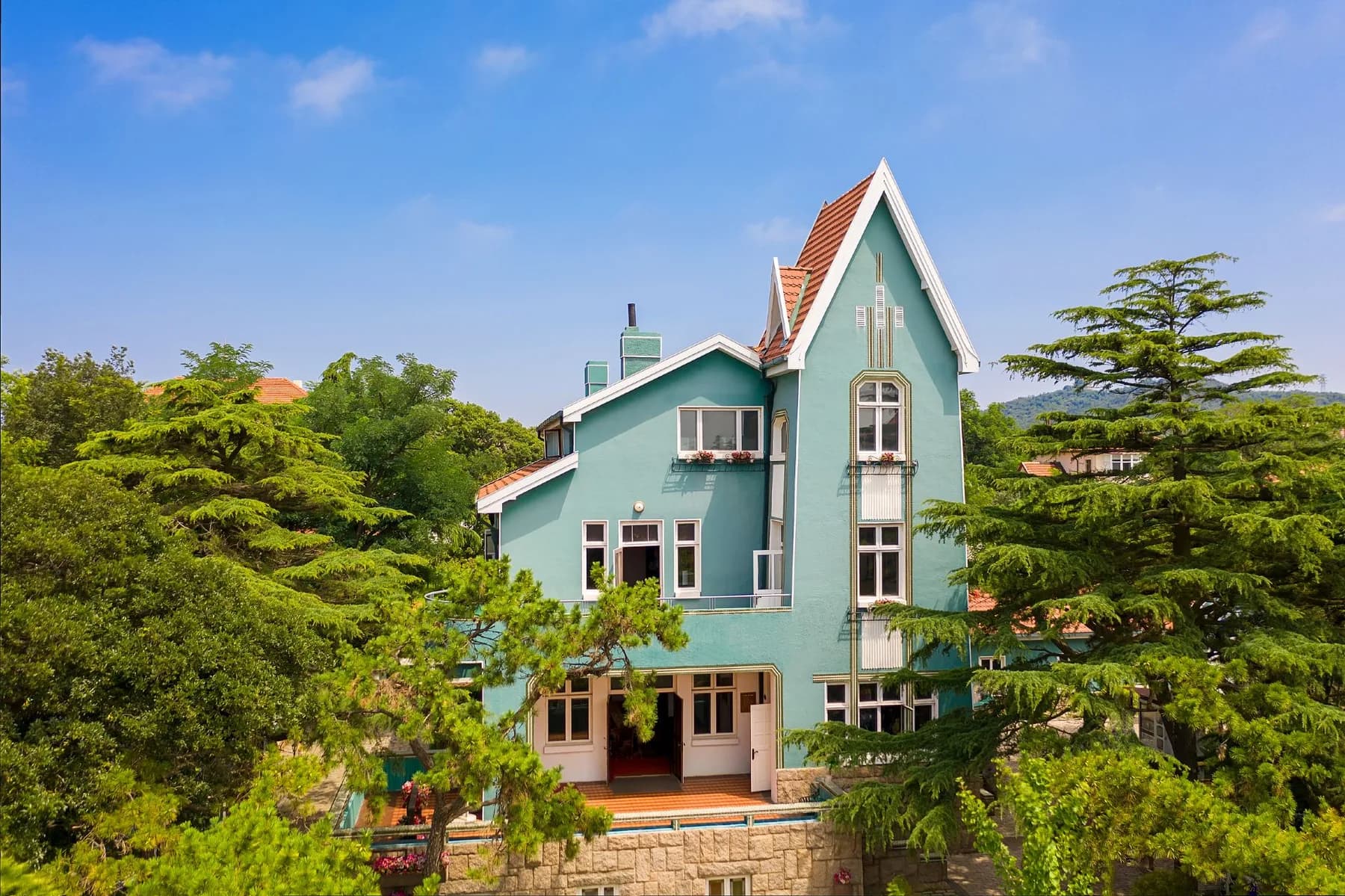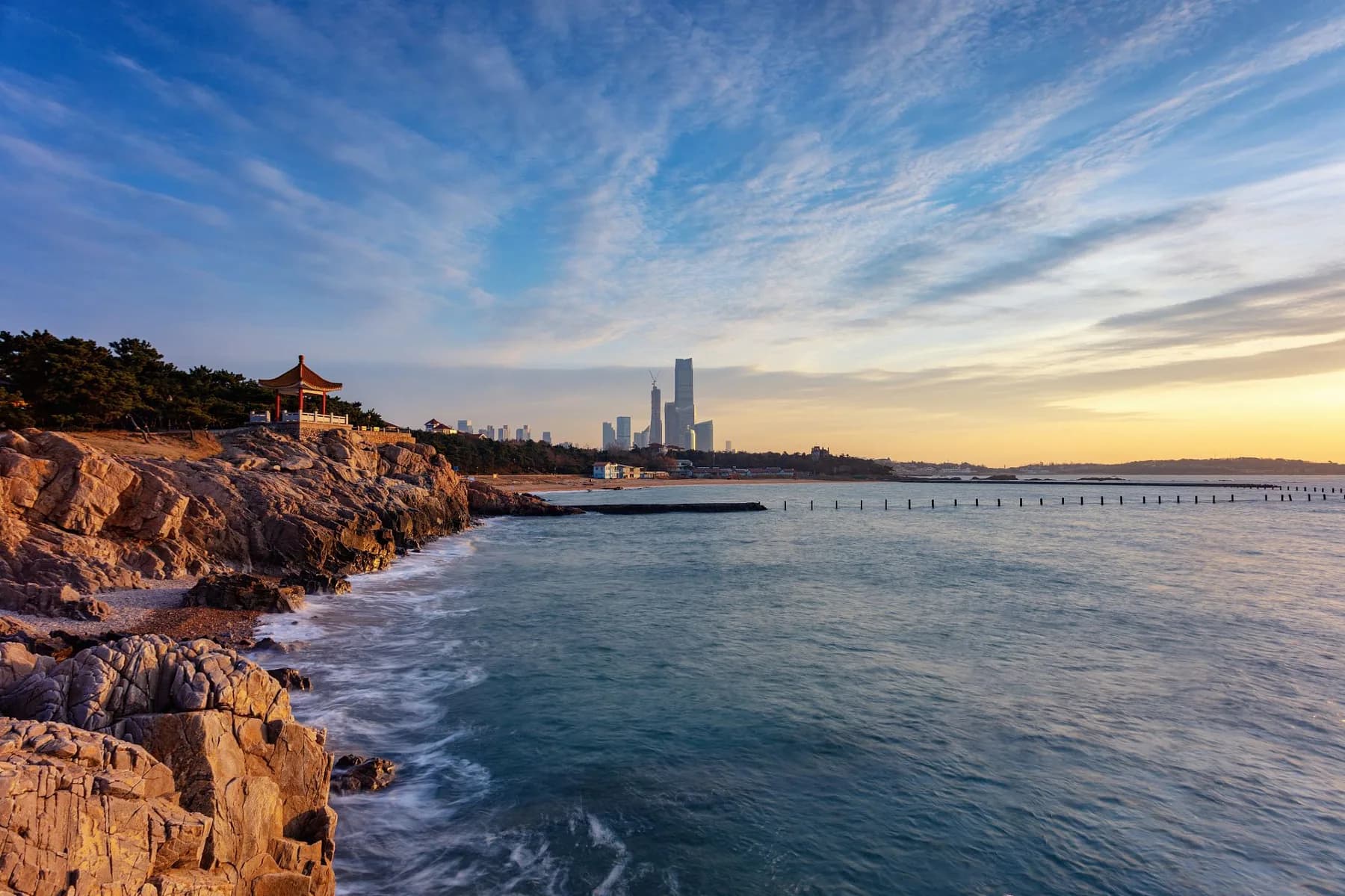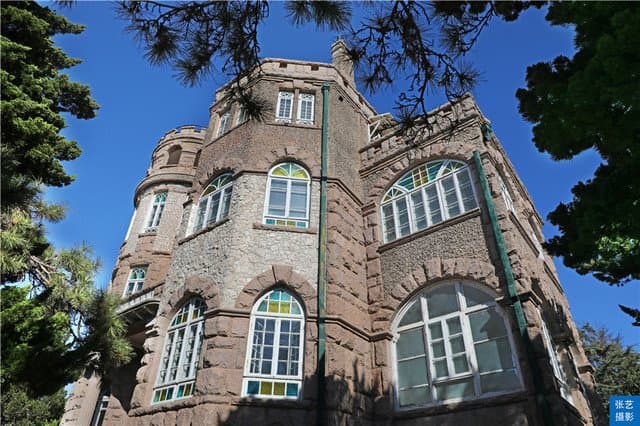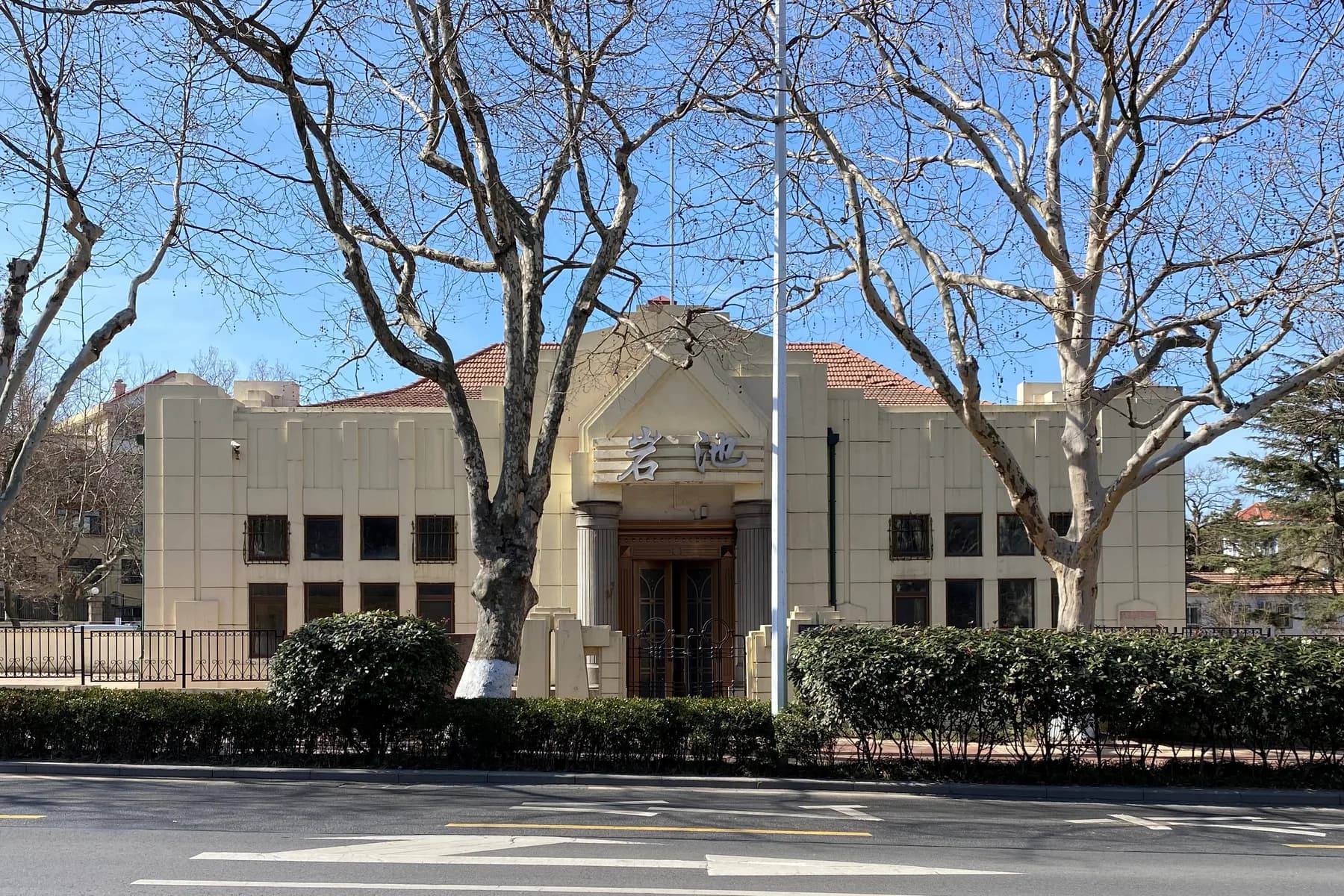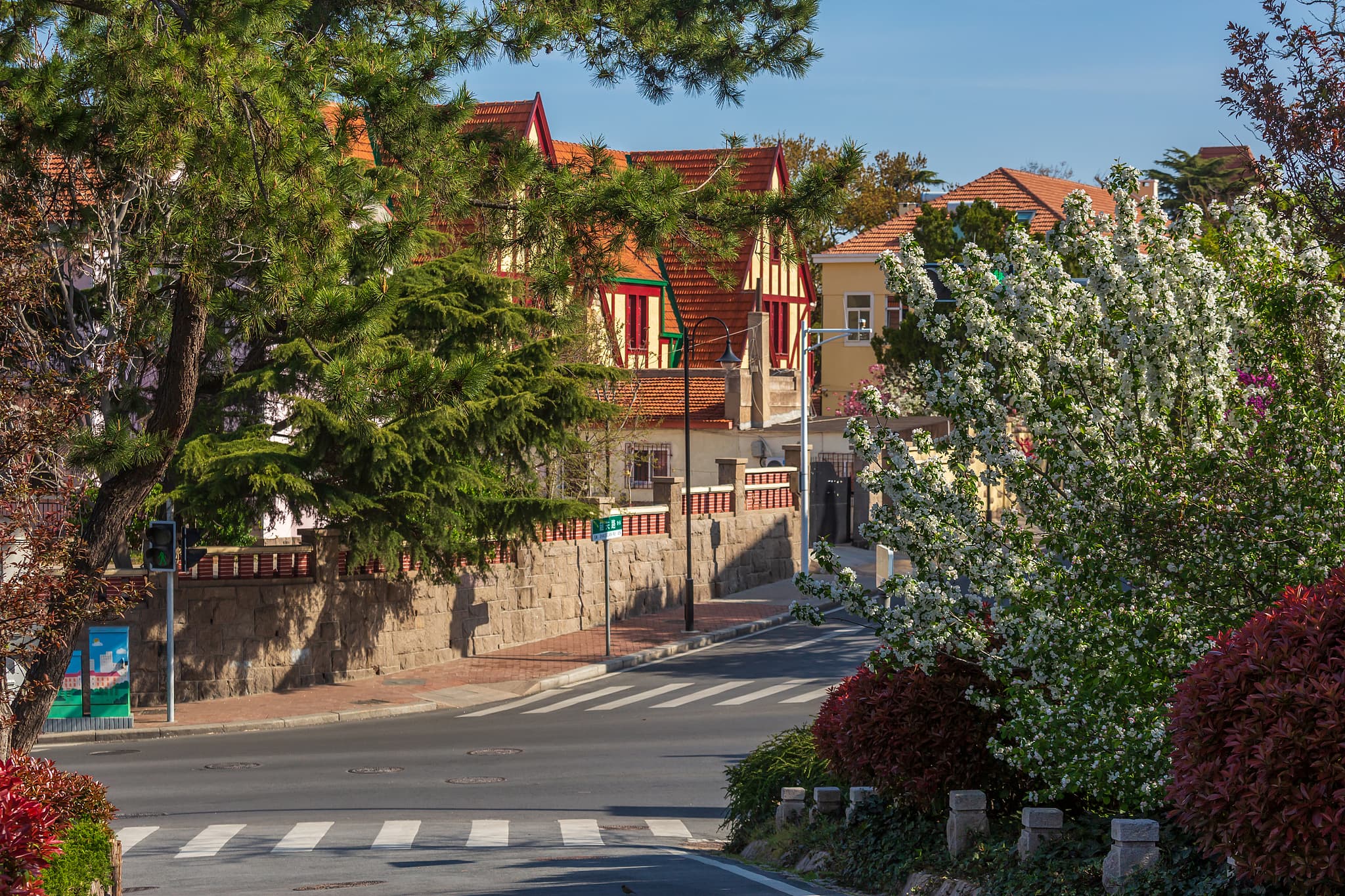
Badaguan, or the 'Eight Great Passes,' is a historic district in Qingdao renowned for its concentration of European-style villas and lush, tree-lined streets. It's often called the 'International Architecture Expo' due to the diverse architectural styles, including Gothic, Baroque, Romanesque, and Russian, British, French, and German influences. This area beautifully encapsulates Qingdao's unique blend of Chinese and foreign cultural heritage, offering a glimpse into its colonial past and a tranquil escape from the bustling city.
Visitors consistently highlight the area's exceptional beauty, particularly its 'red tiles, green trees, blue sea, and blue sky' aesthetic. Many appreciate the tranquil environment and the opportunity for leisurely walks, especially during autumn when ginkgo and maple leaves turn golden. The proximity to Qingdao's bathing beaches is a significant draw, allowing for a combined architectural and seaside experience. Reviewers frequently mention the area's suitability for photography, with many couples choosing it for wedding shoots. The distinct seasonal charm, from peach blossoms in spring to crape myrtle in summer and evergreen trees in winter, ensures a pleasant visit year-round.
To make the most of your visit, wear comfortable shoes as the area is best explored on foot. Many streets are named after ancient military passes, and each features different vegetation, creating varied scenic routes. While the general area is free to enter, some notable villas like the Princess Building and Huashi Building charge an admission fee. Several visitors suggest that purchasing a combined ticket for multiple attractions might not be necessary, as some buildings are considered less impressive. It's recommended to allocate 3-5 hours to fully appreciate the architecture, stroll through the gardens, and perhaps visit one or two paid villas. Consider visiting during the shoulder seasons (spring or autumn) to enjoy pleasant weather and vibrant foliage without the peak summer crowds. Parking can be challenging, so utilizing public transport or a taxi is advisable.
A common complaint among some visitors is the lack of a deep 'cultural core' or 'interesting' aspects beyond the architecture itself, suggesting it might be more suitable for a casual walk than an in-depth historical exploration for everyone. To mitigate this, focus on the visual appeal and the unique atmosphere rather than expecting extensive museum-like exhibits within every villa. Some also find the area can get crowded during peak times, which can detract from the tranquil experience; visiting early in the morning or later in the afternoon can help avoid the largest crowds.