China Trip MapChina Trip Map
MapGuidesTransporteSIM
China Trip MapChina Trip Map

Provinces, Municipalities & Autonomous Regions

Anhui ProvinceBeijing MunicipalityChongqing MunicipalityFujian ProvinceGansu ProvinceGuangdong ProvinceGuangxi Zhuang Autonomous RegionGuizhou ProvinceHainan ProvinceHebei ProvinceHeilongjiang ProvinceHenan ProvinceHubei ProvinceHunan ProvinceInner Mongolia Autonomous RegionJiangsu ProvinceJiangxi ProvinceJilin ProvinceLiaoning ProvinceMacau SARNingxia Hui Autonomous RegionQinghai ProvinceShaanxi ProvinceShandong ProvinceShanghai MunicipalityShanxi ProvinceSichuan ProvinceTaiwanTianjin MunicipalityTibet Autonomous RegionXinjiang Uygur Autonomous RegionYunnan ProvinceZhejiang Province
© 2025-2026 www.chinatripmap.com
Beijing cover image
A-

City

Beijing

北京

Beijing is China’s historic and political heart, where imperial landmarks meet a fast-moving modern capital. Travelers come for world icons like the Forbidden City, the Great Wall, and the Temple of Heaven, but stay for the city’s rich hutong culture, food markets, and dynamic art districts. From the luxury towers of the CBD to the creative lanes of Beixinqiao and Wudaoying, each neighborhood offers a distinct atmosphere. Excellent transport links, high-speed trains, and two major airports make the city easy to explore. Beijing blends tradition and innovation in a way few capitals do.

Province
Beijing Municipality

Beijing is one of the world’s great capital cities — a place where more than 3,000 years of imperial history sit alongside the scale, ambition, and modernity of contemporary China. It is a city of grand palaces and intimate alleyways, atmospheric temples and sleek glass towers, luxury hotels and tiny craft-coffee shops hidden in hutongs. The contrasts are striking, and this layered character is what makes Beijing endlessly fascinating for first-time visitors and returning travelers alike.

The city offers landmark attractions known around the world: the Forbidden City with its vast courtyards, the Temple of Heaven set in a tranquil park, the lakes and pavilions of the Summer Palace, and of course the Great Wall, accessible through scenic sections such as Mutianyu and Jinshanling. Yet Beijing is far more than its monuments. Food markets, tea houses, local eateries, design boutiques, and contemporary art zones give the city a living, creative energy, while neighborhoods differ so much in style and mood that each feels like a destination of its own.

Seasons shape the experience strongly. Spring (April–June) is one of the most pleasant times to visit: mild temperatures, clear skies, and blossoming parks, though March can still be dusty due to seasonal winds. Summer (July–August) is hot, humid, and lively, with afternoon thunderstorms and long daylight hours — great for lake walks and evening markets, though you should expect crowds at major sights. Autumn (September–October) is widely considered the best season, offering crisp air, blue skies, and golden foliage across imperial gardens and the Great Wall. Winter (November–February) is cold, bright, and atmospheric, with temperatures often dropping below freezing; the dry air makes for sharp visibility, and fewer tourists mean quieter palaces and excellent photos, though you’ll need to dress warmly.

Beijing’s neighborhoods vary greatly. Beixinqiao, Wudaoying, and the surrounding hutong districts are ideal for travelers who want to experience traditional alleyway life blended with modern cafés, courtyard hotels, and independent shops. Sanlitun and wider Chaoyang form the city’s cosmopolitan heart, packed with nightlife, restaurants, embassies, and high-end shopping. The CBD is Beijing’s business core — a district of skyscrapers, upscale malls, international dining, and premium hotels. Wangfujing and Qianmen suit visitors who prefer a central, historic area within walking distance of major attractions, while Haidian offers a mix of prestigious universities, tech campuses, and access to the Summer Palace and Western Hills.

Whether you’re hiking along ancient fortifications at sunrise, wandering through quiet hutongs with a cup of local coffee, admiring imperial architecture, or exploring Beijing’s contemporary art and design scene, the city rewards curiosity and slow exploration. Its excellent subway system makes all districts accessible, and while English is not widely spoken outside hotels and tourist sites, translation apps work reliably. With its deep history, vibrant neighborhoods, and constant sense of momentum, Beijing remains one of Asia’s most compelling destinations.
Attractions

All 28 →

Attraction

Temple of Heaven

Temple of Heaven · 天坛 · Tiantan

A+

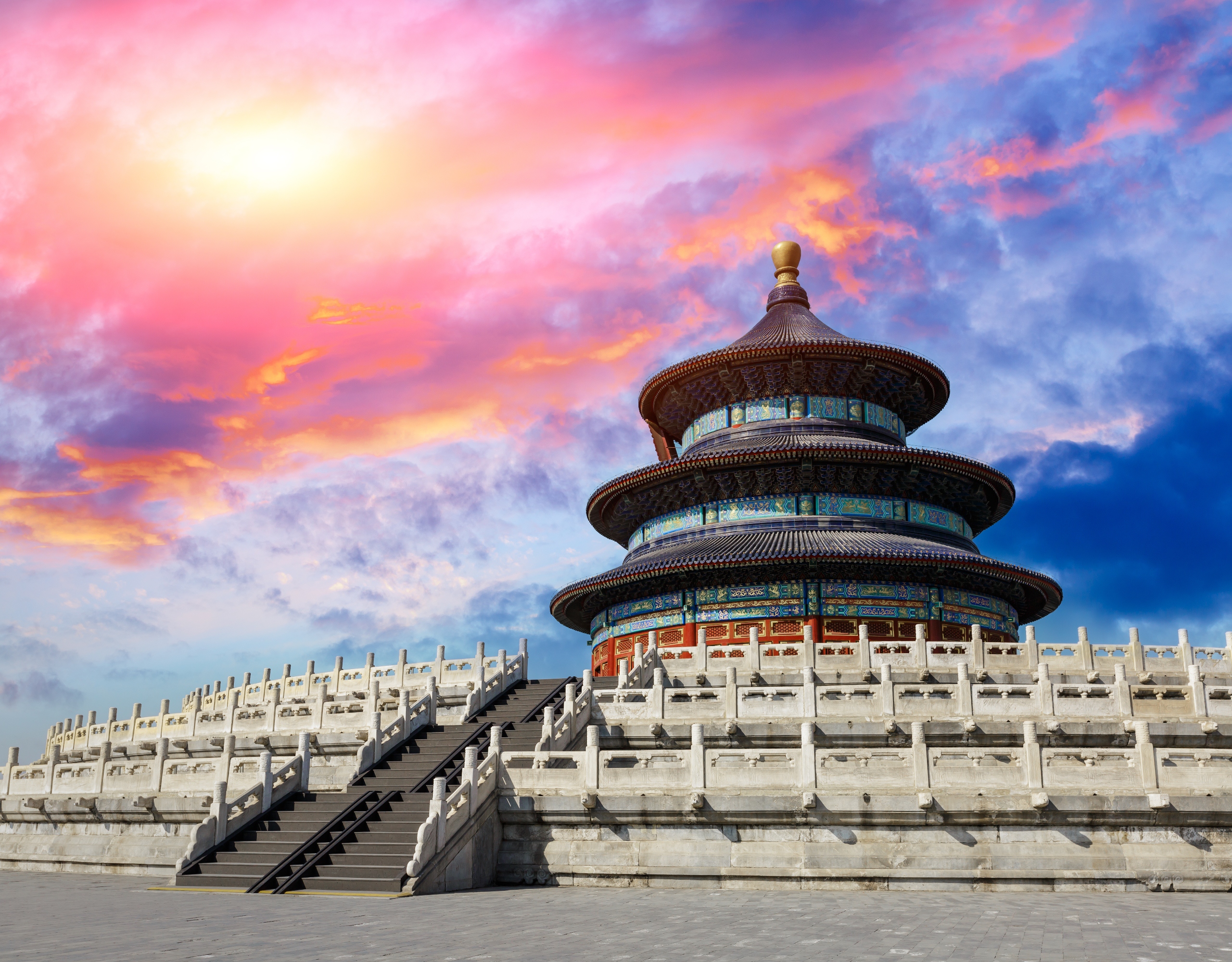
The Temple of Heaven (天坛, Tiāntán) is a sprawling Ming-era imperial complex in Beijing where Ming and Qing emperors offered sacrifices to Heaven and prayed for bountiful harvests. Its iconic structures include the round, triple-gabled Hall of Prayer for Good Harvests, the Echo Wall and the Circular Mound Altar, all set within a vast 273-hectare park representing the ancient concept that “heaven is round and earth is square”. Inscribed as a UNESCO World Heritage site in 1998, it remains one of China’s most significant historic landmarks and a bucket-list must-see in Beijing.

Attraction

Lama Temple (Yonghe Temple)

Lama Temple (Yonghe Temple) · 雍和宮 · Yōnghé Gōng

A

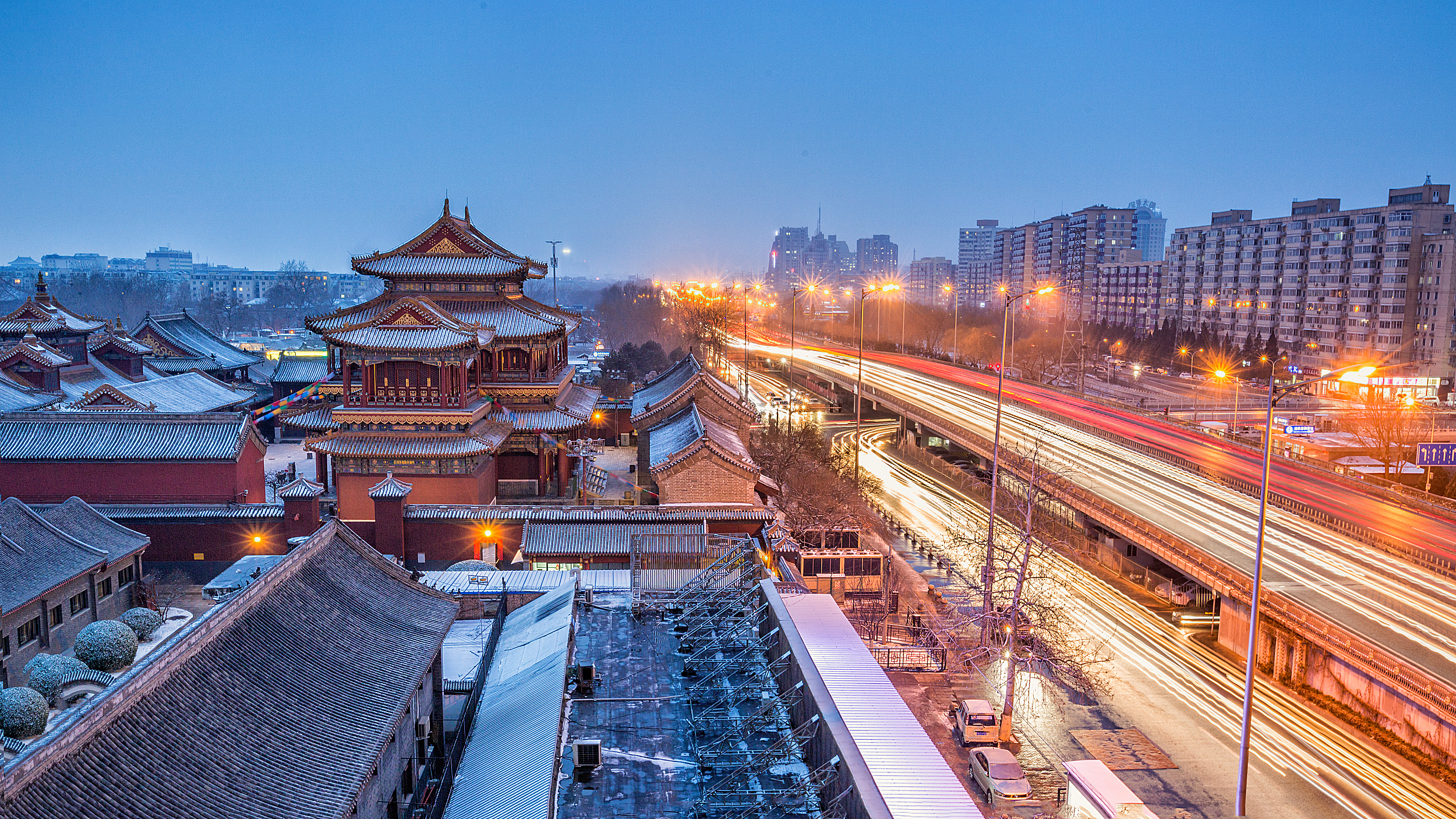
Lama Temple (Yonghe Temple) in Beijing is a Qing Dynasty Tibetan Buddhist monastery. Originally built in 1694 as a prince’s palace, it was converted into a lamasery in 1744. Today it’s famed for its ornate red-and-gold halls, yellow-glazed roofs and enormous wooden Buddha statues.

Hotels

All 13 →

Hotel

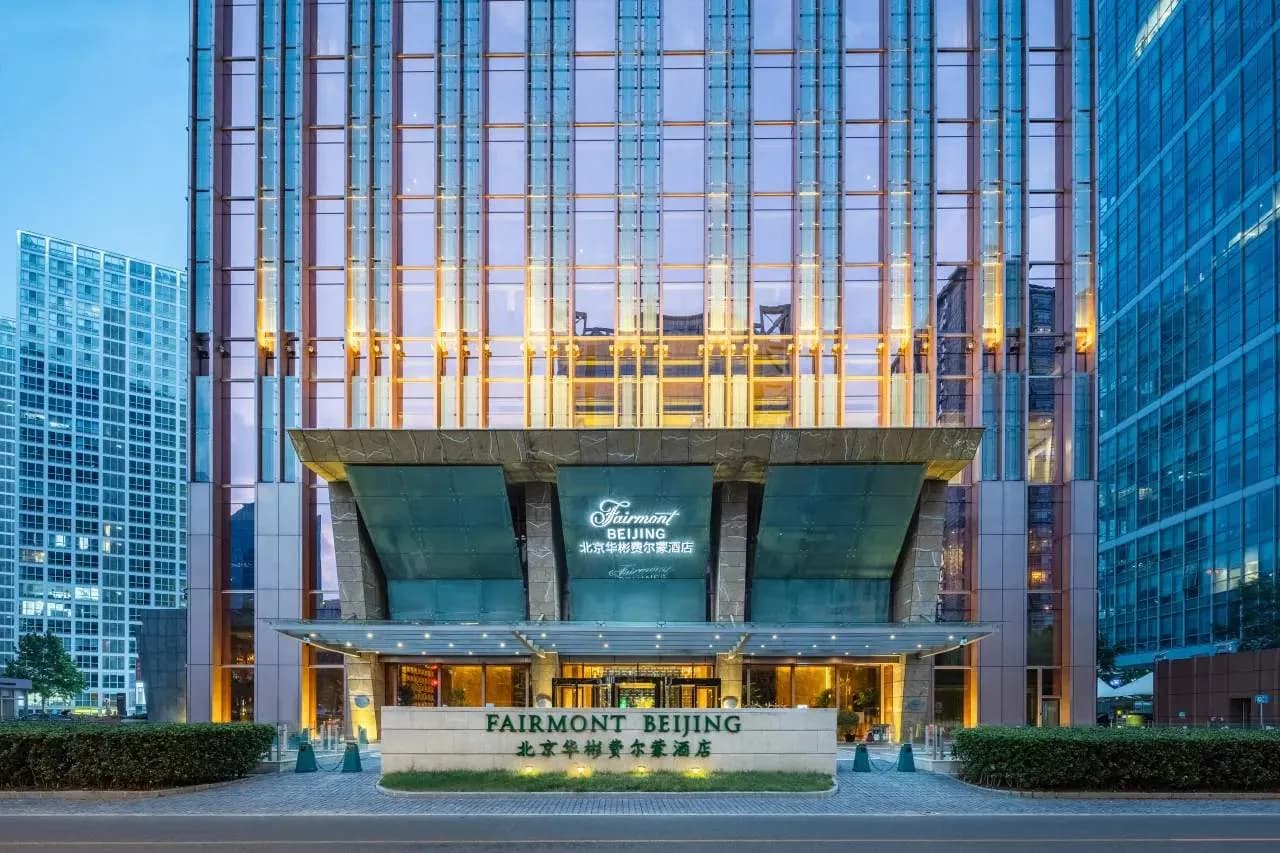
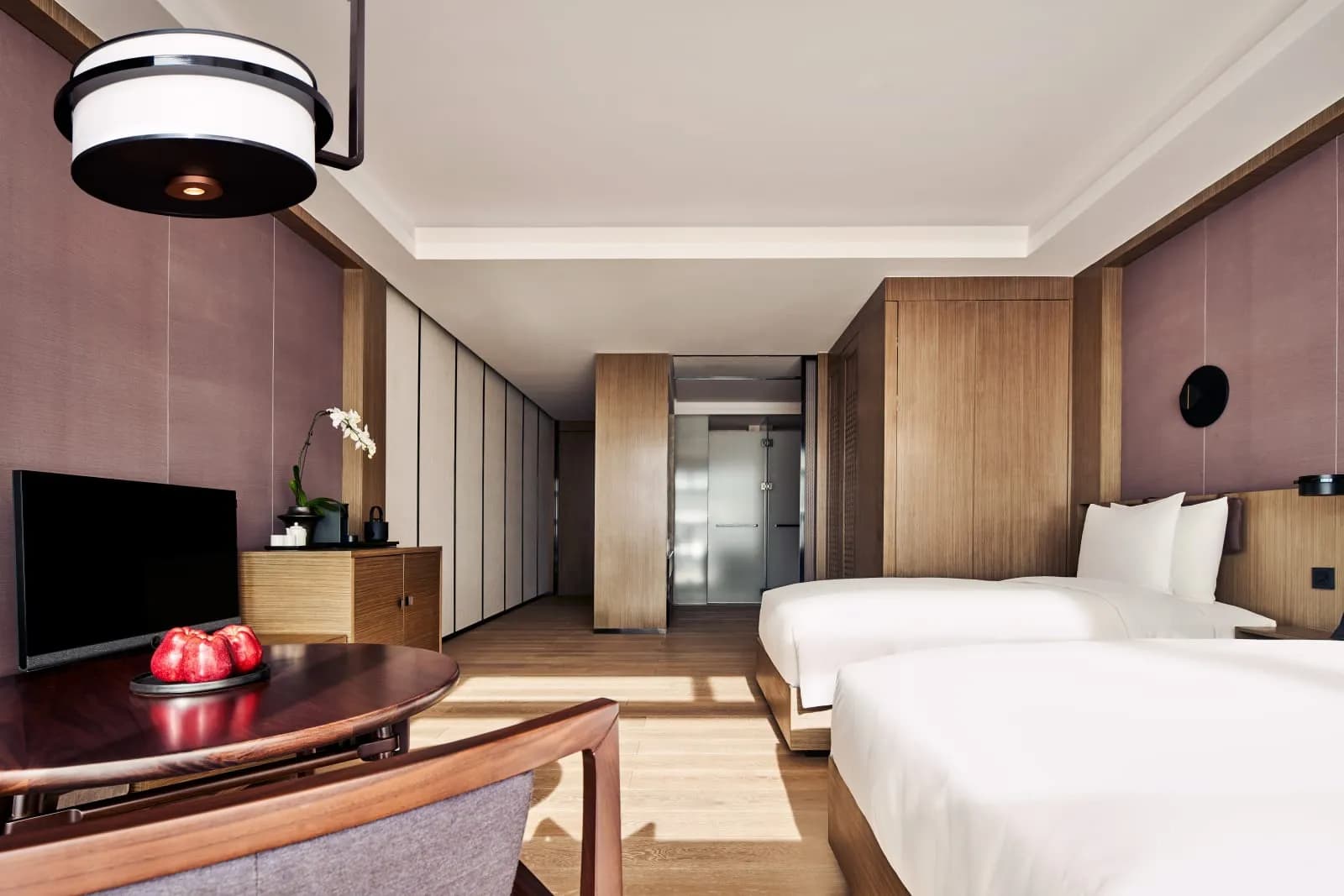
Fairmont Beijing

No. 8 Yong'an Dongli, Jian Guo Men Wai Avenue, Chaoyang District, Beijing, 100022, China

A

Fairmont Beijing is a modern luxury landmark in the Chaoyang CBD, praised for attentive butler service, spacious rooms with panoramic city views and a dramatic rose-gold façade. Guests repeatedly highlight the Willow Stream Spa, indoor panoramic pool and a polished executive lounge, while a recurring complaint concerns expensive hotel parking.

Hotel

The PuXuan Hotel and Spa

No. 1 WangFuJing Street, DongCheng District, Beijing 100006, China

A

A minimalist luxury hideaway in Wangfujing, The PuXuan is praised for its calm, artful interiors, spacious rooms with views toward Jingshan/Forbidden City, and highly attentive staff who routinely go the extra mile. Guests highlight the Guerlain spa amenities, excellent breakfast and personal touches (birthday/anniversary surprises); only occasional minor quibbles appear about room lighting or elevator layout.

Restaurants

All 99 →

Restaurant

Chao Shang Chao (Chaoyang)

Chao Shang Chao (Chaoyang) · Chao Shang Chao (Chaoyang) · Chao Shang Chao (Chaoyang)

A+

Upon arrival at this upmarket restaurant, diners step into a hallway lined with steeply priced dried fish maws. With years of experience in Hong Kong and Shanghai, Chef Cheung reimagines Chaozhou classics with sophistication and finesse. Braised fish maw with 30-year-aged dried radish is one of his proud creations – the lingering aromas of the radish lend the dish extra depth of flavour. Both the wine list and tea menu are packed with excellent choices.

Restaurant

Xinrongji (Xinyuan South Road)

Xinrongji (Xinyuan South Road) · 新荣记 · Xin Róng Jì

A+

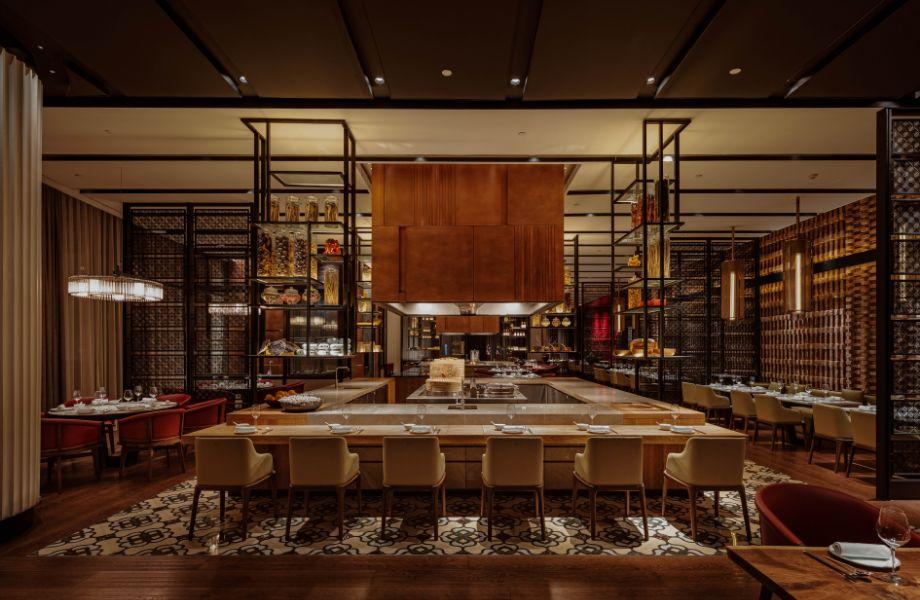
Xin Rong Ji (新荣记) on Xinyuan South Road is the Beijing flagship of a well-known Taizhou (Zhejiang) cuisine group, holding Three MICHELIN Stars (“Exceptional cuisine”) in the MICHELIN Guide’s Beijing selection. The room reads “high-end Chinese, but not stiff”: modern-Chinese design, open-kitchen energy, and a calm, quietly luxurious vibe that fits business meals and special-occasion dinners. Reviewers repeatedly describe the atmosphere as elegant, refined, and unhurried—often with very polished service. A nice location detail that comes up in reviews: it sits by the Liangma River, and people mention finishing dinner with a riverside stroll.

Museums

All 8 →

Museum

Forbidden City (Palace Museum)

Forbidden City (Palace Museum) · 故宫博物院 · Gùgōng Bówùyùan

A+

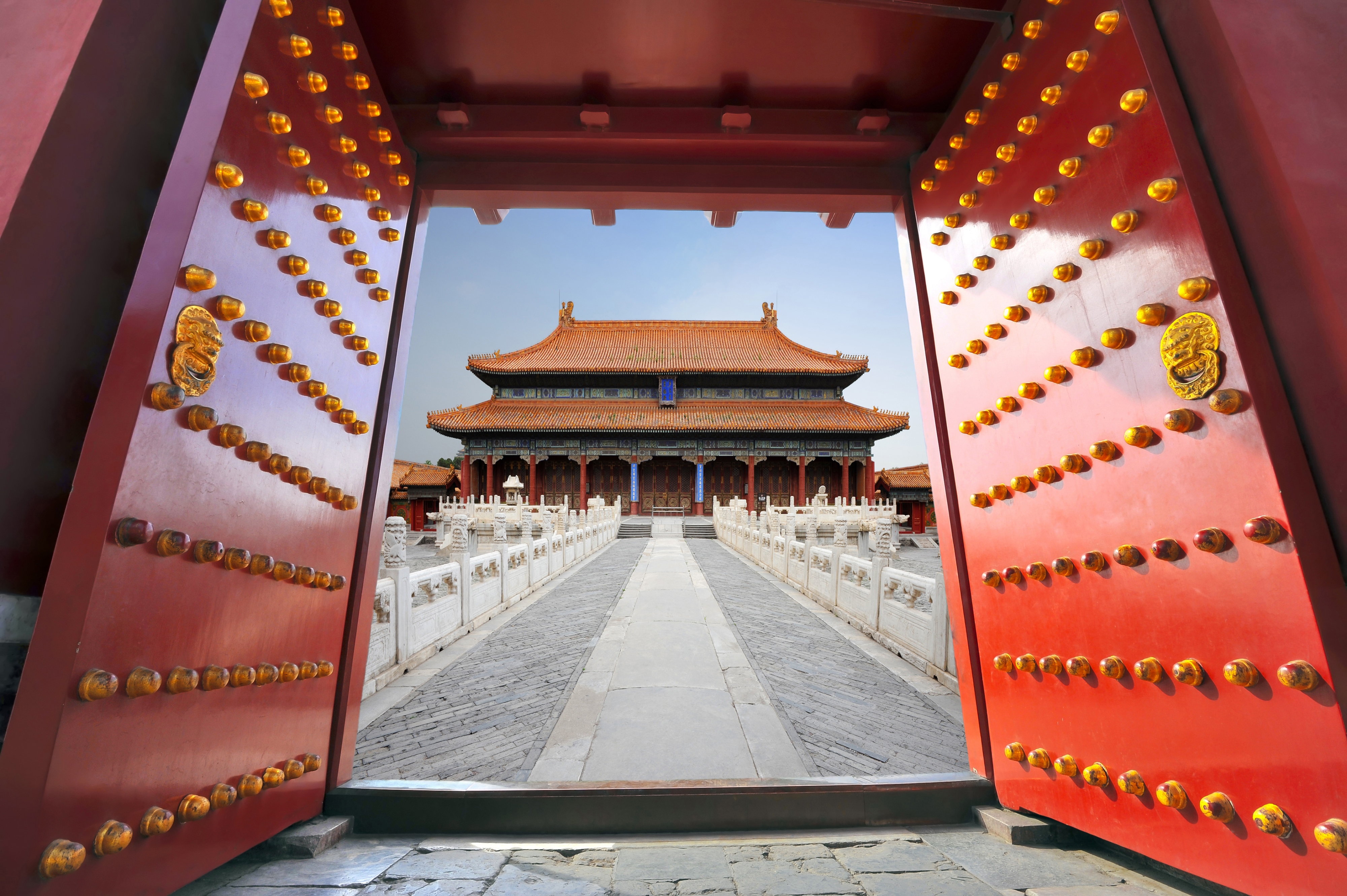
A 15th-century imperial palace in the heart of Beijing, the Forbidden City (Palace Museum) is the world’s largest palace complex and a UNESCO World Heritage site. For nearly 500 years it housed 24 emperors of the Ming and Qing dynasties and was completely off-limits to ordinary people. Since 1925 this once-forbidden city has been open as the Palace Museum, showcasing China’s imperial art and cultural treasures across 980 preserved buildings.

Museum

National Museum of China

National Museum of China · 中国国家博物馆 · Zhongguo Guojiabowuguan

A

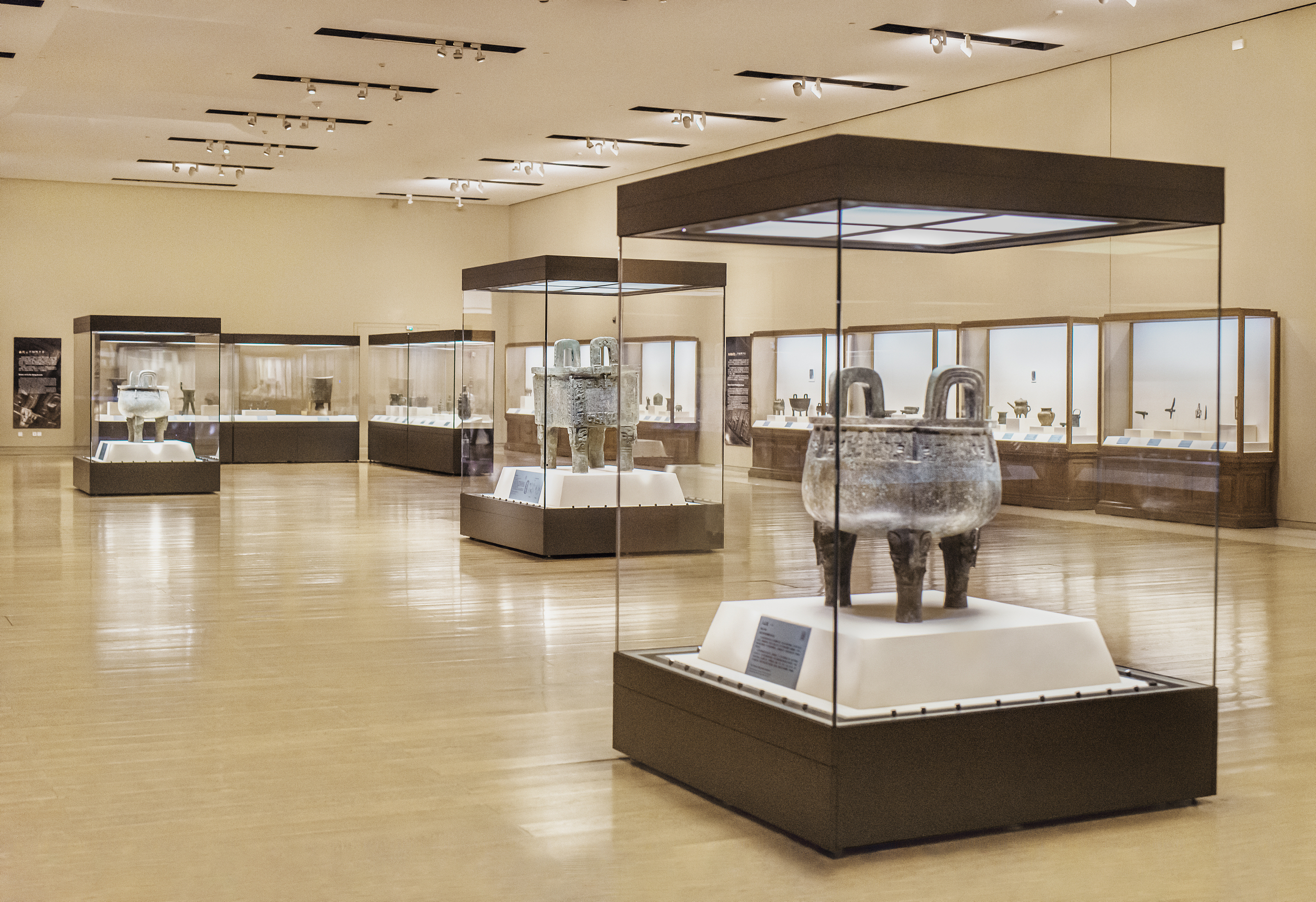
The National Museum of China is the world's largest single-building museum, located on the east side of Tiananmen Square in Beijing. It houses over 1.4 million artifacts spanning Chinese history from prehistoric times (1.7 million years ago) to the Qing Dynasty and modern era. The museum features 48 exhibition halls across five floors, with highlights including the Ancient China exhibition in the basement, exquisite bronzes from Shang and Zhou dynasties, Tang Dynasty ceramics, and imperial treasures. While admission is free, advance reservation through WeChat or Trip.com is mandatory and can be challenging for foreign visitors. The museum requires at least 3-5 hours to explore properly, with some visitors spending entire days.

Parks

All 5 →

Park

Beihai Park

Beihai Park · 北海公园 · Běihǎi Gōngyuán

B+

A former imperial garden surrounds a lake, with the White Dagoba rising above an island and painted pavilions lining the shore. Come for a slower walk after the palaces, the Nine-Dragon Wall and a glimpse of everyday Beijing life.

Park

Chaoyang Park

Chaoyang Park · 朝阳公园 · Chaoyang Gongyuan

B

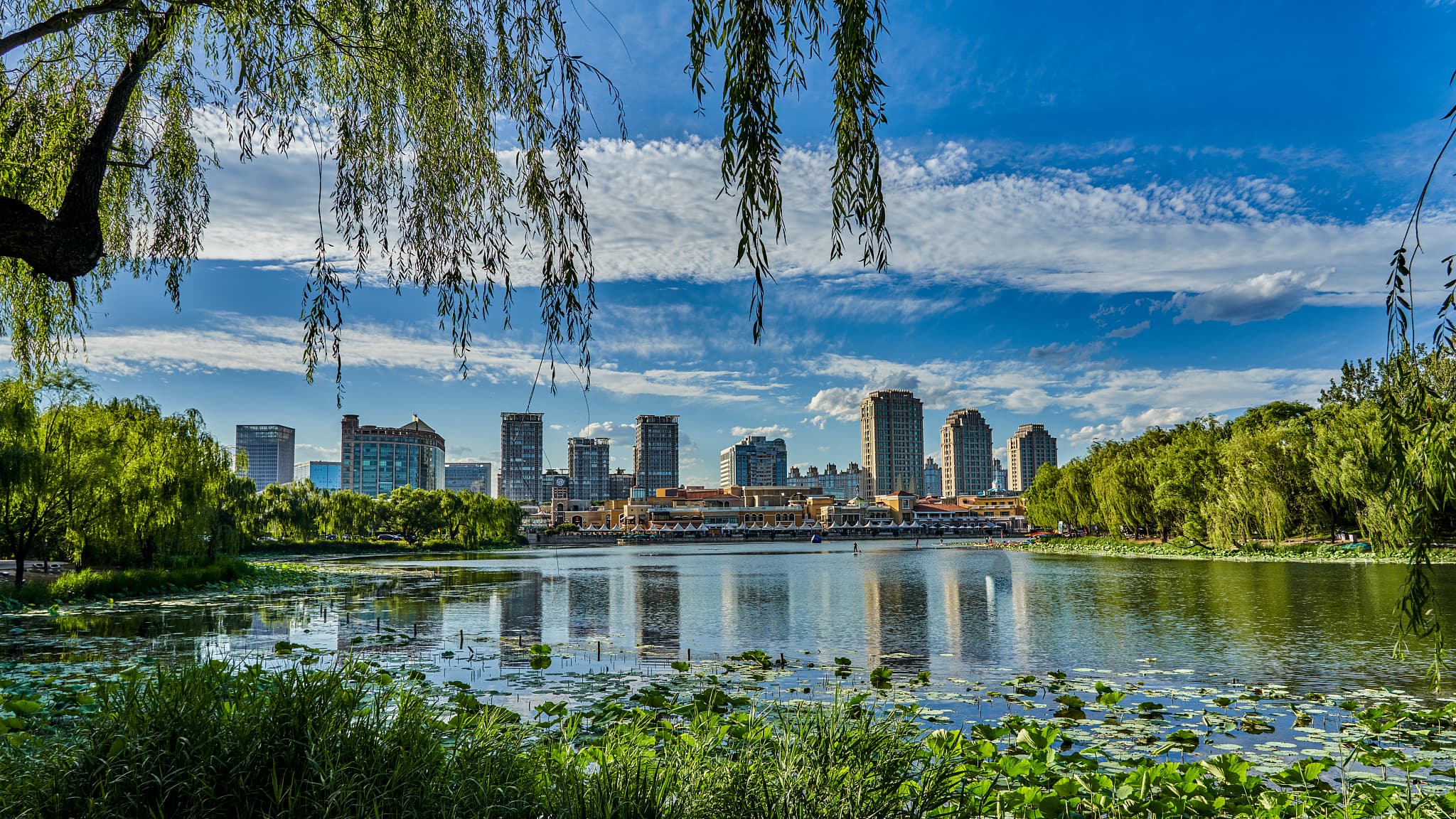
Chaoyang Park is Beijing's largest urban park within the Fourth Ring Road, featuring extensive lakes, lush greenery, European-style architecture, and abundant recreational facilities. Visitors consistently praise its spacious grounds, convenient subway access, and suitability for families with children, boating, and seasonal attractions like golden ginkgo trees in autumn. While primarily a local favorite rather than a must-see tourist destination, it offers a peaceful escape from the city and excellent value for money.

Viewpoints

All 1 →

Viewpoint

Central Radio & TV Tower Observation Deck

Central Radio & TV Tower Observation Deck · 中央广播电视塔 · Zhōngyāng Guǎngbō Diànshì Tǎ

B-

The open-air deck at 238 metres overlooks Yuyuantan Park’s lakes and Beijing’s sprawling neighbourhoods. Visitors favour clear days around sunset, but strong wind, haze and dense protective mesh can affect both the experience and photographs.

Airports

All 1 →

Airport

PEK, Beijing Capital International Airport

PEK, Beijing Capital International Airport · 北京首都国际机场 · Beijing Shoudu Guoji Jichang

D+

Beijing Capital International Airport (PEK) generates sharply mixed reactions, with many international travelers reporting confusing transit procedures, limited English-speaking staff, and rigid security that often feels excessive or intimidating. Long queues, unclear signage between terminals, and inconsistent information during transfers—especially for visa-free or short layovers—are recurring complaints. Facilities in certain terminals feel outdated, with issues like broken chargers, poor cleanliness, scarce food options, and extremely cold temperatures during winter layovers. Wi-Fi is notoriously unreliable, smoking rooms do not exist, and transit hotels are either unavailable or prohibitively expensive. At the same time, some domestic travellers and frequent users praise its size, cleanliness, clear navigation, and fast processing when flows are low. Overall, PEK can function smoothly for straightforward domestic departures, but international transit passengers often face a stressful, poorly supported experience.

Transport

All 1 →

Transport

Beijing Subway

Beijing Subway · 北京市地铁 · Beijing Subway

C

Beijing Subway network (seeded).

Temple of Heaven
Lama Temple (Yonghe Temple)
Fairmont Beijing
The PuXuan Hotel and Spa
Xinrongji (Xinyuan South Road)
Forbidden City (Palace Museum)
National Museum of China
Beihai Park
Chaoyang Park
Central Radio & TV Tower Observation Deck
PEK, Beijing Capital International Airport